Introduction: Urban design discussions in the Uk tend to focus on European or North American models for planning. However, cities in the Global South are increasingly offering important lessons on inclusivity, adaptability and participation. This entry focuses on a valuable Nigerian urban design technique called incremental urbanism. This is a community led process where neighbourhoods Read the full article…
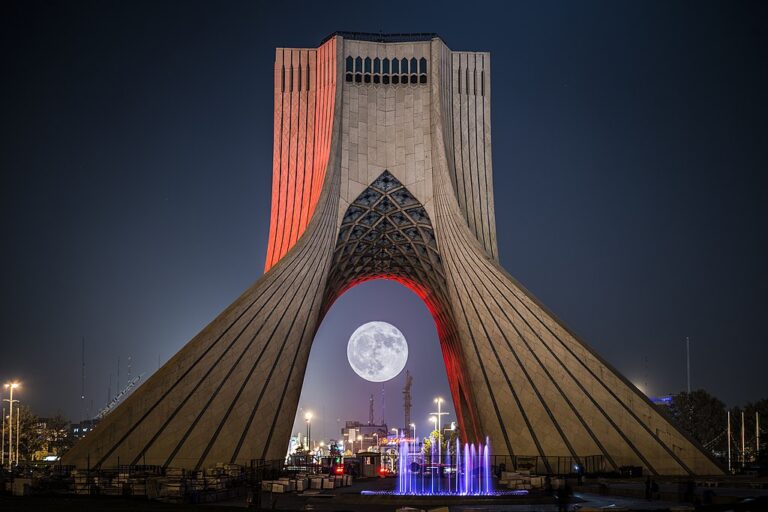
Why Are So Many People Moving to Tehran? The capital city of Tehran has been acting as the political, economic, and administrative hub of the country for many decades. The capital city houses all the big companies and corporations, and this has resulted in people from other parts of the country migrating to the capital Read the full article…

I’ve been in Newcastle for a few months. Looking back on the city now, I feel different. Some areas are pleasant to live in. For example, Grainger Street is a friendly street. The street is not too wide, the buildings are closer to people, and there are shops and cafés at the ground floor . Read the full article…

From Chinese Shared Flats to UK Urban Design Before coming to the UK, my understanding of “shared living” mainly came from my experience living in Chinese cities. As an undergraduate student, my experience was renting a two-storey loft flat with different tenants on upper and lower floor. In many big cities in China, particularly Beijing, Shanghai and Shenzhen, Read the full article…

There are two main ways that blogging has affected me as a student over the course of this semester: it has encouraged me to think critically about the impact of urban design on how we experience cities, and it has changed my understanding of the built environment. At first, I thought of cities only as Read the full article…

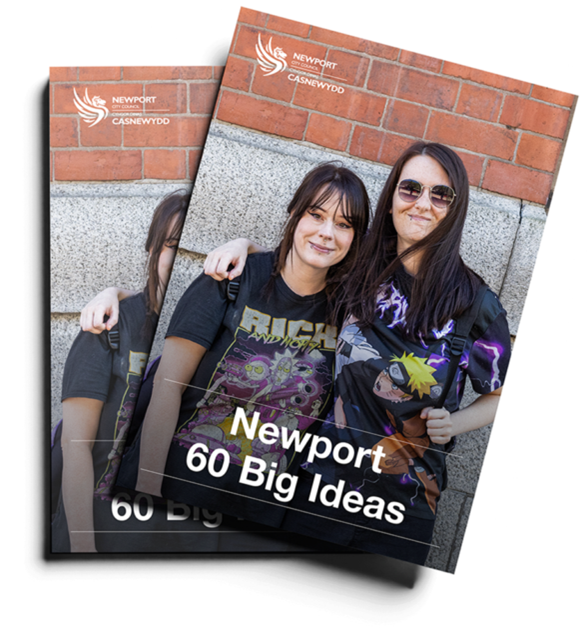
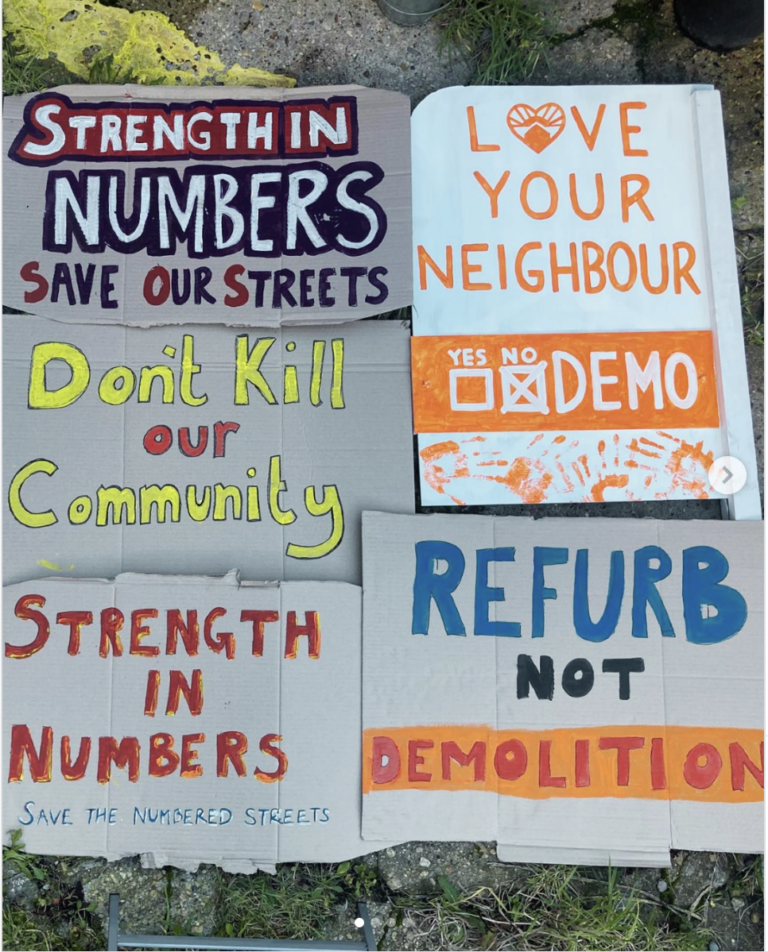
Across the UK, most placemaking plans now come with a promise: this is your chance to shape the future of your area. Through exhibitions, surveys and workshops, participation is presented as central to planning and urban design. Yet a pattern often emerges. The opportunity to contribute is there, but the ability to exert real influence Read the full article…

A recent BBC article, Inside Horden, the County Durham town failed by politics paints a harrowing picture of spatial isolation, economic decline and a growing feeling of abandonment. While much of the conversation focuses on economic statistics, reading this article through an Urban Design lens highlights a profound crisis of sense of belonging in the Read the full article…
Introduction: Urban design discussions in the Uk tend to focus on European or North American models for planning. However, cities in the Global South are increasingly offering important lessons on inclusivity, adaptability and participation. This entry focuses on a valuable Nigerian urban design technique called incremental urbanism. This is a community led process where neighbourhoods Read the full article…
You don’t just grow out of spaces you are pushed out of them. As a child, space feels intuitive. Parks, playgrounds, and suburban streets are familiar, and therefore legible. Movement is slow, and there is freedom to pause, hesitate, and explore without consequence. These spaces hold you unconditionally. But that changes abruptly.You become too old Read the full article…

Having volunteered in The Gambia myself on numerous occasions, I have seen firsthand how the larger cities have changed with the rise in tourism. Between 2012 and 2023, The Gambia saw an increase of 49,513 air arrivals per year, with European visitors making up most arrivals (Gambia Tourism Board, 2023). This has resulted in a rise of tourism-driven development, changing the urban form, land use, and social equity, particularly Read the full article…

When I moved from India to the UK to study urban design, I expected contrast. What I discovered instead was continuity. In both contexts, heritage does not resist change — it shapes it. Academic discourse supports this view: heritage is increasingly understood not as static preservation, but as an active component of the urban realm Read the full article…

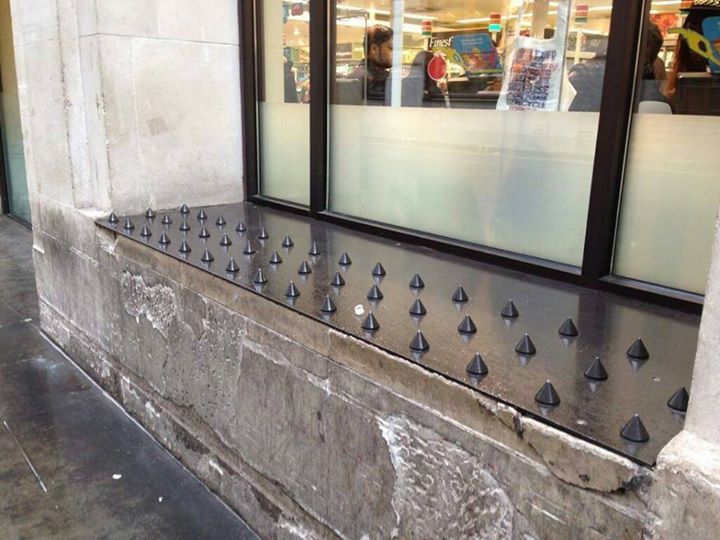
For many years, public spaces were viewed as the bedrock of democracy, providing opportunities for social encounters, political expressions & common experiences. Contemporary urban space designs now favour control mechanisms, exclusionary practices & surveillance systems over their original function of preserving public access to them. One obvious example of this change can be seen in Read the full article…