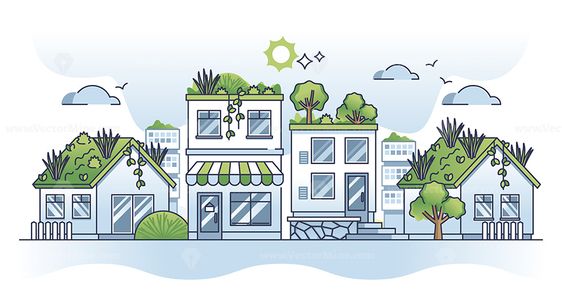
ECO-FRIENDLY DWELLINGS: GREEN ROOFS AND WALL

INTRODUCTION Renewable energy technologies enable the decentralization of energy generation, both in terms of size and the players who engage. Benefit from such generation, in contrast to historically centralized systems for the provision of electricity. According to Teli et al. (2016), renewable energy sources, such as solar and biomass, can offer tenants significant financial benefits. Read the full article…
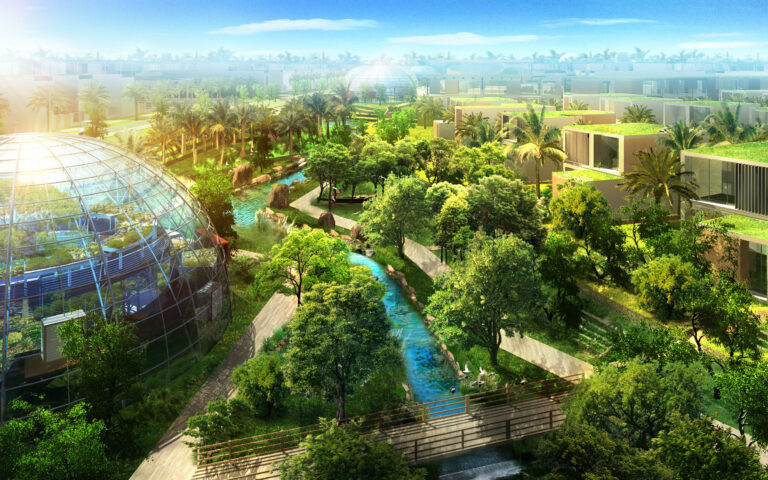
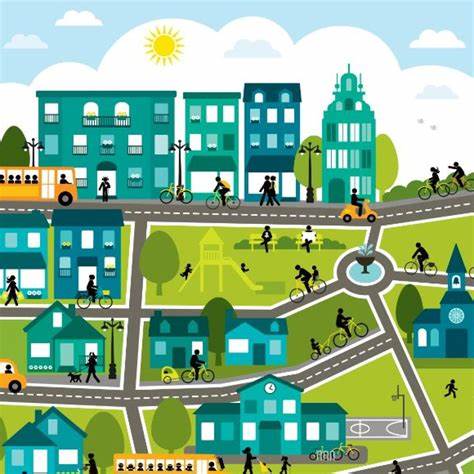
Towards an Effective Urban Environment: Accessible, Fair and Sustainably (THRIVES)- A Paradigm for City Design & Planning that Bridges Both Academia & Practice

Abstract The “Sustainable development Urban Economy Framework” (SUE) aims to improve sustainability in metropolitan areas like Cairo. It does so by connecting built environment, land usage, conveyance and pedestrian network development. Interviews with 25 urban planning and economics professionals revealed that constructed, density, easy access are key factors for fiscal sustainability. They also identified sub-indicators Read the full article…

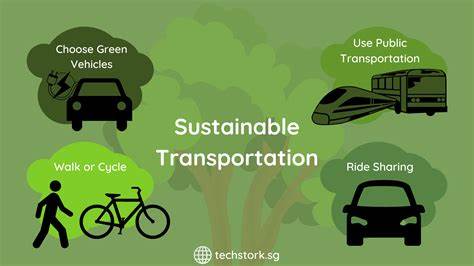
Why You Need a Sustainable Transport Policy?

INTRODUCTION Sustainability is increasingly being studies globally, leading to the development of conceptual judgements that significantly enhance its significance. This section explores how sustainability can improve humanity’s standard of life by meeting current needs without compromising future generations’ ability to meet their own. The triple bottom line- economic fairness, environmental protection and social development must Read the full article…

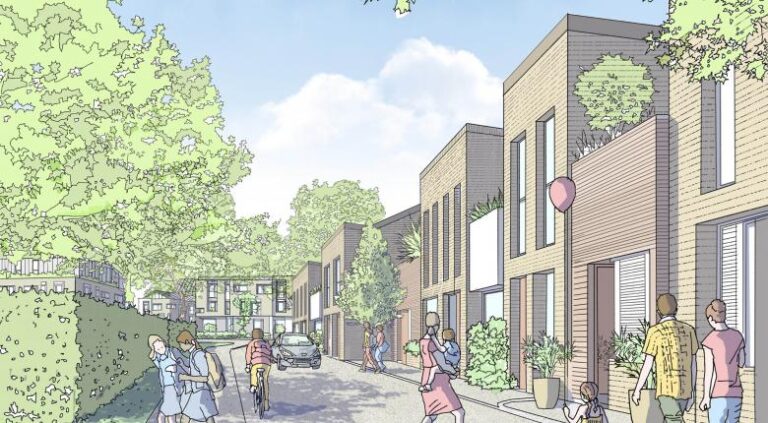
Urban Design that is Beneficial for Children

INTRODUCTION Child-friendly design refers to creating spaces, products or environments that are safe, accessible and engaging for children, promoting their well-being, development and enjoyment through age-appropriate features and considerations. Child friendly urban design focuses on creating safe, engaging and accessible environments that support their physical, cognitive and social development. Here are key elements of such Read the full article…

SUSTAINABLE CITY IN URBAN DEVELOPMENT

What defines a sustainable city? The sustainable city is, in essence, the development by the human and local community of how they create and use the places in the city. In addition, a sustainable city is one that addresses social, environmental, and economic impacts via urban planning and change. Furthermore, Goal 11 of the United Read the full article…

What factors are composing the community

Community A community is not just a place where provides people living,it’s also a social unit with a shared socially significant characteristic,such as culture,values,religion,customs and so on which comes from all aspects from daily living. A community attracts diiferent kinds of people from different places which companies different background information.Also a community may share a Read the full article…

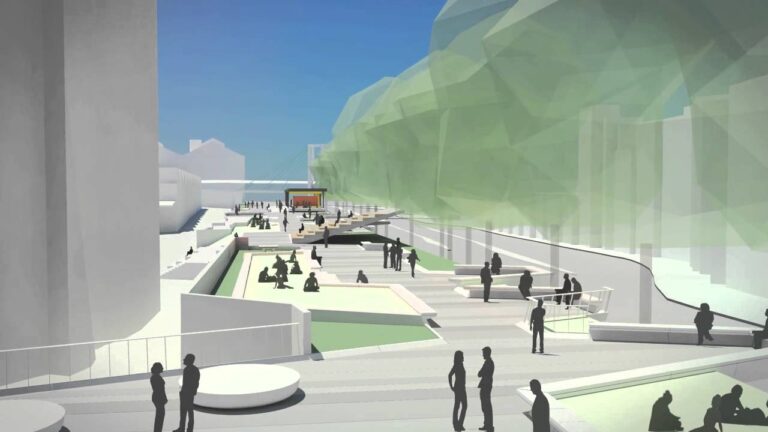
“STREETS” based on “URBAN DESIGN”

Introduction to Essential Elements of Urban Design The goal of urban design is to create environments that meet the requirements of people. It includes not just these locations’ use and security but also their visual beauty. In towns, cities, and villages, people must know how to create vibrant communities, balance the preservation of natural structures Read the full article…

“Pedestrian Patterns and Housing Trends: Analyzing Residential Choices in Walkable Urban Areas”

Inhabiting Walkable Neighborhoods: Exploring Housing Dynamics in Relation to Pedestrian Distribution” INTRODUCTION Many cities were walkable until the mid-19th century, as walking was the most common form of urban mobility (Singh, 2016). Even today, walking remains one of the most fundamental human activities and the most unconscious and rhythmic way of living and exploring the city (Diaconu, 2011). Firstly, this study investigates how the built environment affects pedestrian dispersion in Read the full article…

MUNDANE

INTRODUCTION Walking has more social, health, and environmental benefits than other modes of transportation. It should be prioritized as a primary mode of transportation in sustainable cities. New Urbanism’s (NU) guiding principles encourage walkability by designing urban layouts that cater to pedestrian requirements. Against this backdrop, the aim of this research is to determine whether Read the full article…

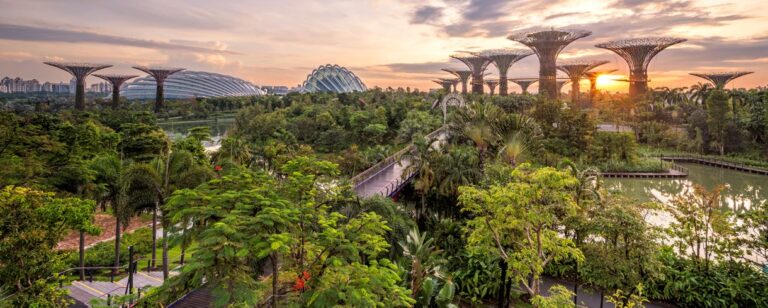
Green Future – Sustainable Buildings

“Sustainable architecture addresses the negative environmental and social impacts of buildings by using design strategies, building materials, energy sources, and development spaces that do not negatively impact the neighborhood or ecosystem and by upholding the principles of social, economic, and ecological sustainability” (Calautit & Hughes, 2016, p. E1). 1.1 Case Study 1.11 CopenHill Energy Plant Read the full article…

Inclusive Living Community Design

If you design only for the young, then you exclude the old; but if you design for the old, then you also take the young into account. 1.1 Familiarity Familiar outdoor situations can help older persons overcome memory issues, and this is especially true for older adults who have a hazy sense of spatial direction. Read the full article…