Housing Standard

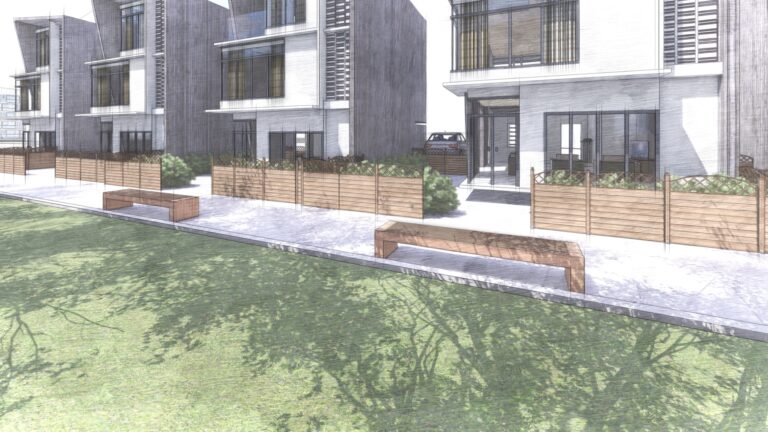
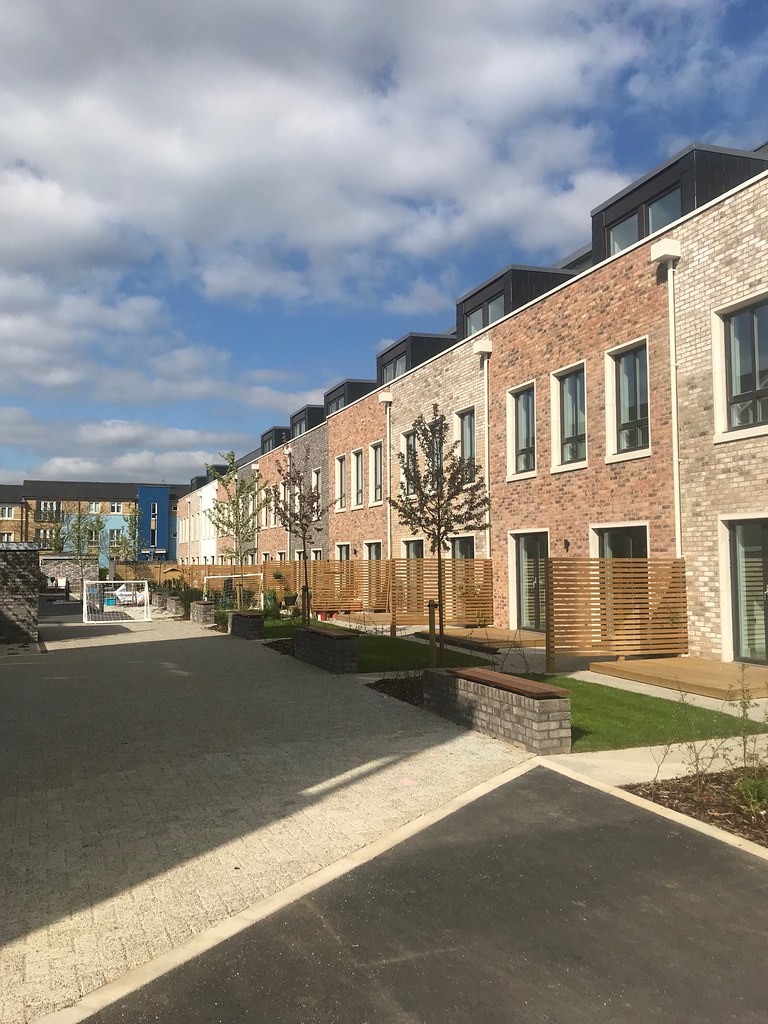
Each country has a unique history and culture, and this ‘uniqueness’ influences the way of life of everyone in the region. I have explored this ‘uniqueness’ in Newcastle in this course. This uniqueness is most visibly demonstrated by the spatial standards associated with architecture between different regions and countries. I will start with what I Read the full article…
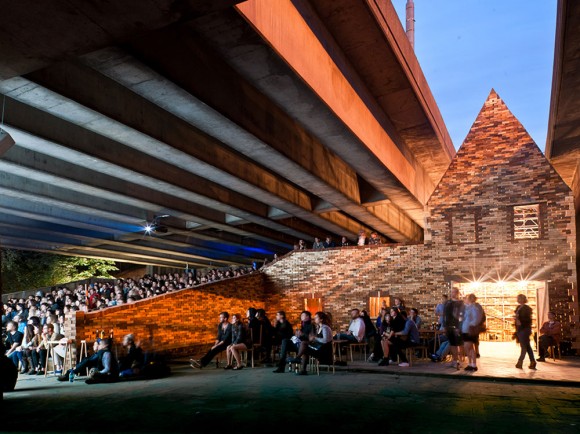
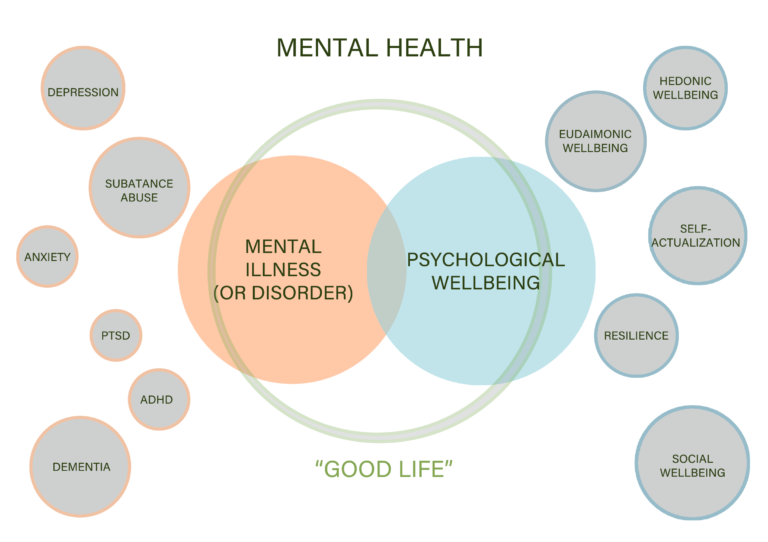
RESTORATIVE CITIES-MENTAL HEALTH AND WELLBEING

In a time of increasing material abundance, more and more people are beginning to realise that mental health also plays an important part in everyday life and has a significant impact on the quality of life. In response to this phenomenon, as an urban designer I think we can think about the following questions: What Read the full article…

New East Manchester: Urban Renaissance

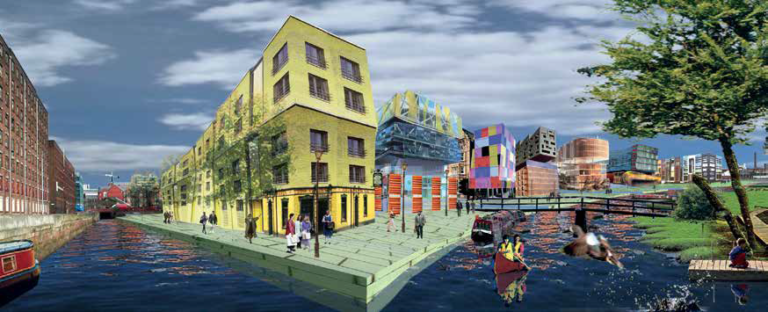
This project in Manchester which we made a field trip on this semester has great reference value. It makes a good example of urban regeneration. It usually contains multiple objectives in an Urban regeneration project. For example, urban regeneration includes a wide range of economic, material, cultural and political domains. Therefore, it should be regarded Read the full article…

Multi-generational Housing – addressing the housing crisis and changing cultures

Judd defines multi-generational housing as being “households have two or more adult generations of a family occupying the same dwelling” in Housing Design for Multigenerational Living (Judd, 2016). CBRE report over 1.8 million households consist of 2 or more generations (CBRE, 2022). There are 3 elements contributing to its popularity; Unaffordable housing Aging population, pensions Read the full article…

Age-Friendly Spaces

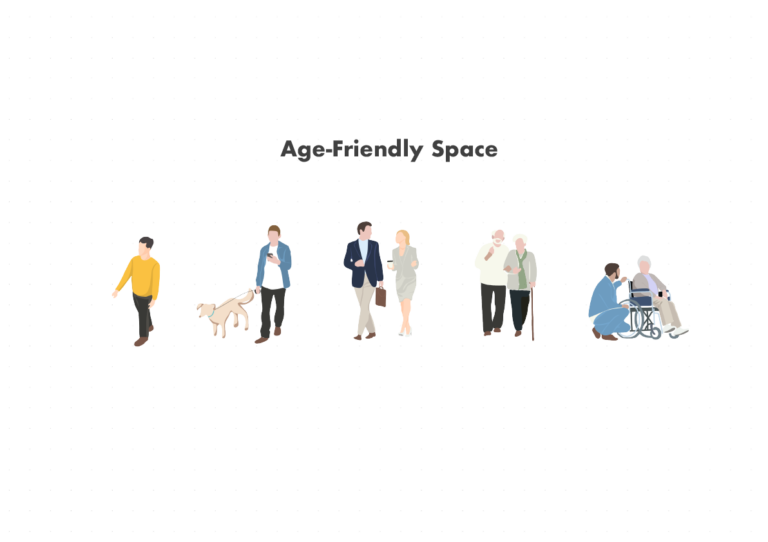
Ageing communities. Illustration by Luke Leung Ageing communities present a variety of challenges; social exclusion, inadequate access, and isolation. Thus, new urban spaces must be designed with the resolve of these issues of paramount importance. However, how components of the urban realm are planned is typically based on the perspective of the average healthy individual. Read the full article…

Building with Nature: a framework to inspire the next generation of placemaking.

Green Infrastructure plays a vital role in improving the health and wellbeing of people, whilst improving opportunity for biodiversity to thrive. In these uncertain times increasingly defined by urgent climate crisis, the catastrophic collapse of ecosystems worldwide, and the social and economic impacts of a global pandemic, the role of providing adequate, sustainable and dynamic Read the full article…

Progressive urban regeneration project: Manchester (1)

  One good day in February, we went on a field trip to Ancoats & New Islington, Manchester. Manchester City Council describes this area as now one of the most sought-after neighbourhoods in Manchester and even the UK. However, it has been a 30-year journey to success, with Manchester City Council and its numerous partners Read the full article…

Affordance and Play: Chandless Estate

Play and freedom Many spaces planned for play offer truly little. This is because their designs are often limiting the spirit of play as a part of our human condition. According to Lefaivre (2007), the design of our urban spaces has replaced freedom in discovery by over-emphasizing anxieties about safety. As a result, many areas Read the full article…

The need and importance of sustainability in design

China is the world’s largest annual country in terms of new buildings, with every 2 billion square meters of a new area, equivalent to 40% of the world’s consumption of cement and steel, also producing millions of construction waste every year, posing an environmental threat for China and the world. In addition, China’s severe shortage Read the full article…

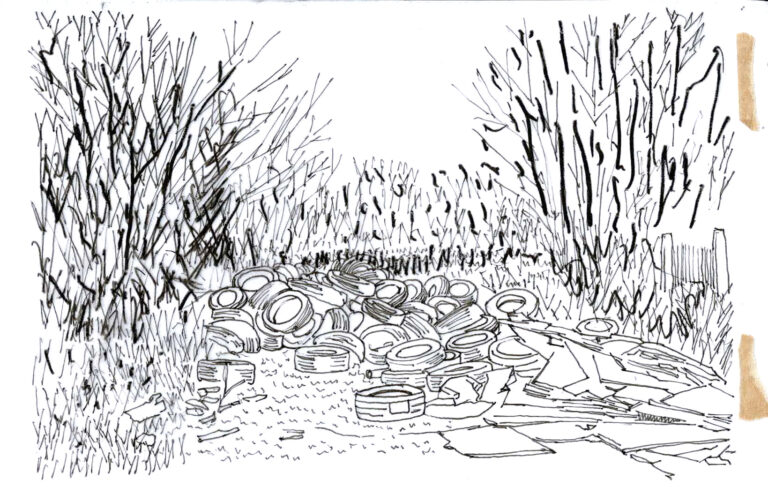
Managing waste through design

Photo by the blowup on Unsplash

While the percentage of people residing in cities and towns is continually rising, with an estimated 80 percent of the world’s population living in urban areas in the years to come, the dilemma of urban waste persists and is not being addressed (Rynska, et al., 2016, pp.199). Concurrently, increased standards of living imply increased rates Read the full article…