

Challenges are always there Time never pauses and the second semester is about to pass again without us even realising it. It has been another challenging and novel semester, including two design projects and thesis preparation. I always feel like I don’t have enough time and long for a moment of respite. However, the experience Read the full article…
From idea to experience Sensory parks are emerging as vital components of inclusive urban design, where nature, accessibility and emotional well-being are blended to create space for all. As cities evolve to meet the needs of diverse populations, including children, the elderly and people with disabilities—sensory parks provide a blueprint for how urban landscapes can Read the full article…
Post-industrial waterfront cities are facing the common issue of how to transform legacy heavy industrial brownfield sites into public spaces for well-being. Compared with traditional commercial property redevelopment, the ‘farm first, build later’ urban farm strategy can achieve multiple benefits of ecological restoration, community empowerment and economic testing in the time gap between governance and Read the full article…
Can Vauban Teach Us How to Design Truly Resilient and Inclusive Communities?

Posted on by Sriram Anand
As an urban design student with a vision for designing sustainable and democratic cities, I have always been fascinated by real-world examples where these principles are being implemented. Germany’s suburb Vauban just outside the city of Freiburg is one location that continues to fascinate me. It’s an active, living example of how cities can be Read the full article…
Can affordable housing work at scale?
Posted on by Sriram Anand
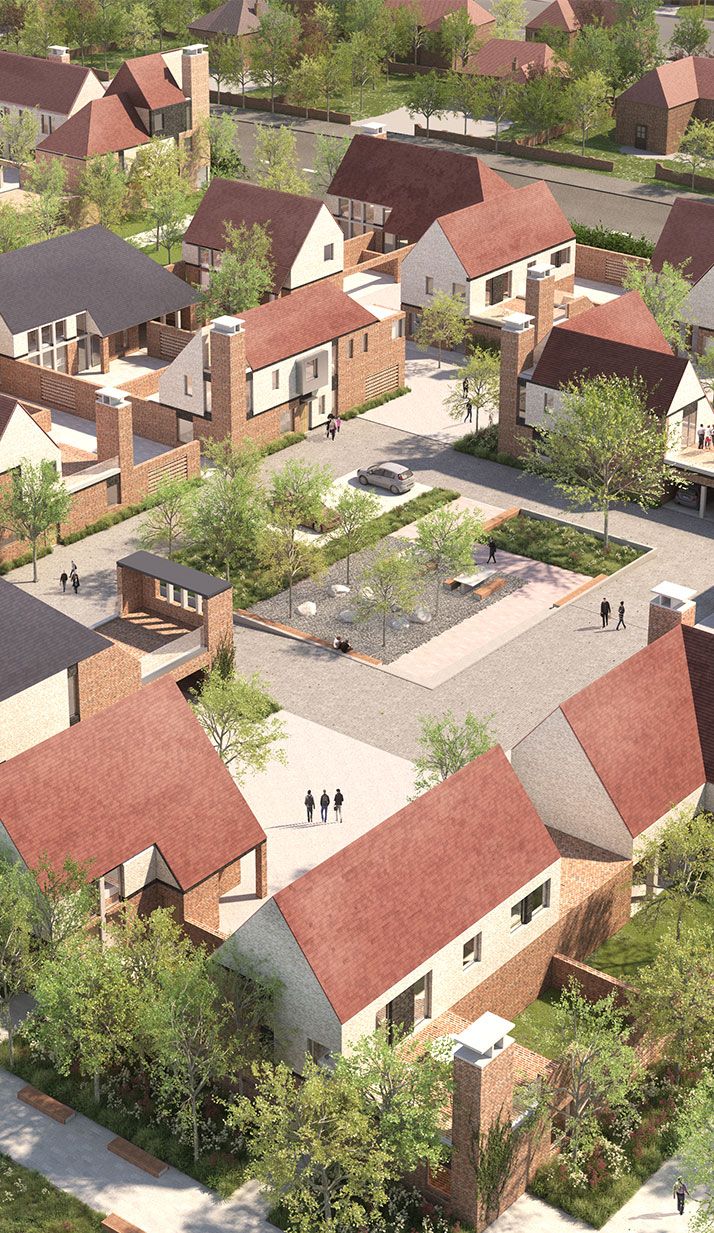
As a global model of affordable housing, Vienna, Austria demonstrates that affordability, quality, and diversity can coexist if housing is preserved as a civic right. Nearly 60% of the city population now reside in subsidized housing, either directly subsidized by the municipality or in state-subsidized cooperatives (Forrest & Hirayama, 2015). Figure 1: Exemplary Modernist housing: Read the full article…
Background With the aging of the population and the acceleration of urbanization, young people in the UK face multiple challenges such as housing shortage, employment pressure and lack of social space. Youth community design has gradually shifted to a multifunctional, sustainable and inclusive space concept, emphasizing community participation and mental health support. Case Study London’s Read the full article…
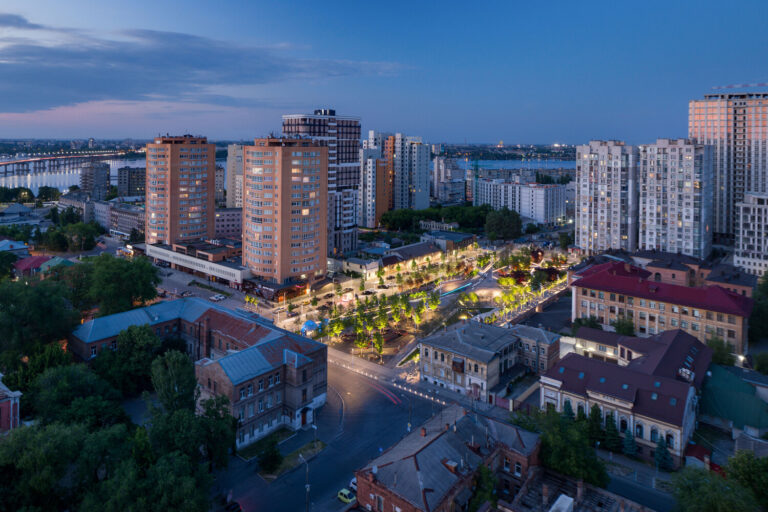
Nightlife districts play a crucial role in city centres not only do they create entertainment but they attract large crowds to the city which greatly contribute to the economic state of the area, in particular, alcohol related establishments (Van Liempt and Van Aalst, 2012). These large crowds, however, can pose as a serious safety concern Read the full article…
In many cities, people with disabilities still face various inconveniences in their daily lives. Such as steps without ramps, buses without low floors, or sidewalks that are too narrow. These problems are all affecting their daily live. So, how can we make cities more accessible to everyone? “Barrier-free” means designing public Spaces in an inclusive Read the full article…
Do We Really Need More Parks?
Posted on by Caiye He
I look forward to the opportunity to lie on the lawn in the sun or chat with friends in the shade, even though there aren’t many sunny days in the UK. But recently, chatting to a friend, I mentioned that if we could expand our ‘urban green space’, what would my thoughts be? This got Read the full article…
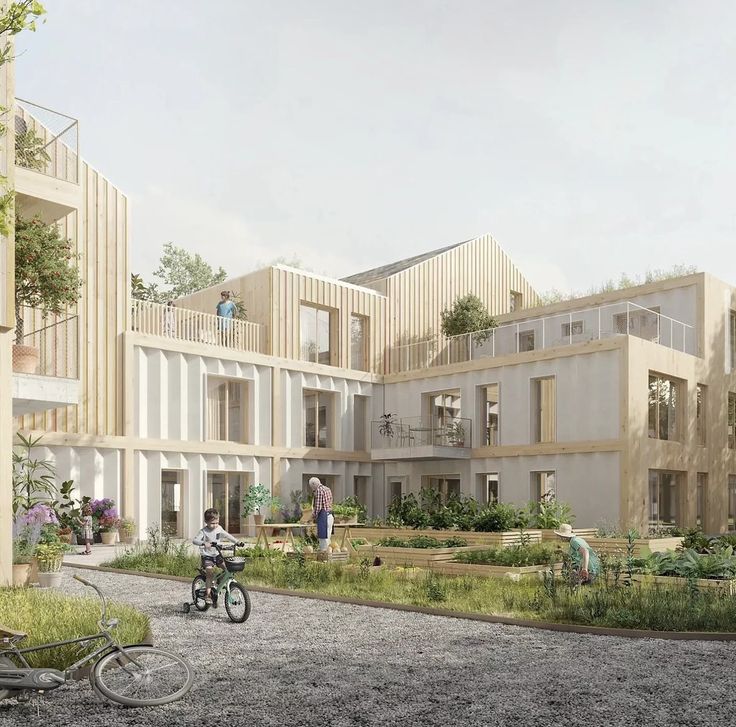
Maybe one of the biggest city issues of the twenty-first century is having access to an affordable place to reside, and it affects low- and high-income countries alike. In light of the ways that housing can become accessible – not just affordable in price, but structurally, economically, and architecturally accessible in the long term – Read the full article…
The “15 minute city” as an emerging urban design concept is redefining the relationship between people and the city. This concept advocates that residents can meet most of their daily needs such as going to work, school, shopping, leisure, and even seeking medical treatment within 15 minutes of walking or cycling. It not only pursues Read the full article…
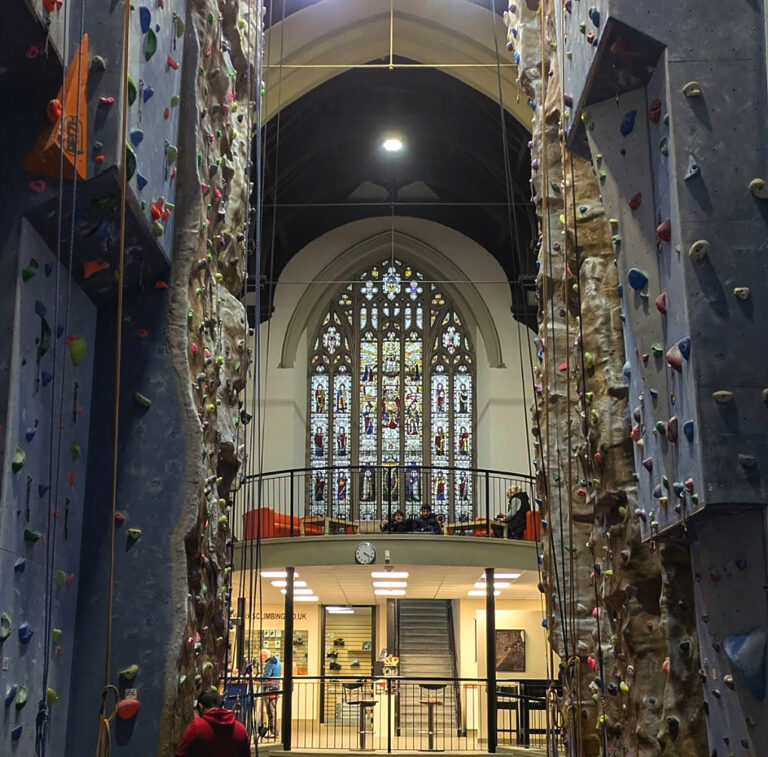
While living in England, I was struck by the creative ways old churches have been repurposed. While some remain places of worship, many have become community hubs, cultural centers, or even sports facilities. One striking example is The Valley Climbing Centre in Newcastle’s Ouseburn area, where climbers scale indoor walls beneath stained-glass windows. Another is Read the full article…
