Rise of Blue Green Cities
Introduction
Picture a life in a city where green spaces add amenity to the surroundings, and a source of air cleaning; a city where every drop of rain is harvested, not wasted; where an urban structure merges invisibly into its natural environs. Cities are constantly growing, and with increased climate change, newer and pressing challenges face urban areas. Issues of pollution, flood, and loss of biodiversity demand ingenious, sustainable solutions.
It is where Blue-Green Infrastructure (BGI), comes into play. Fusing green areas with natural management of water, BGI has become a pioneering new method of urban design geared to build more livable, resilient, and sustainable communities. In this paper, we will discuss just how BGI will develop in the future within city sustainability, using Newcastle as a pioneer case study.
What Is Blue-Green Infrastructure ?
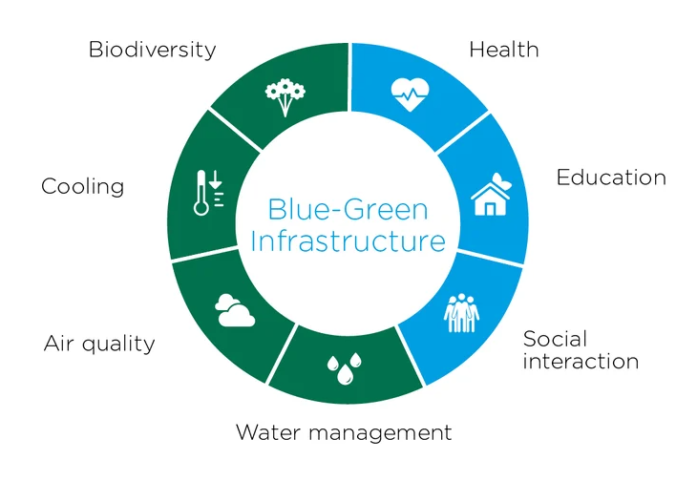
Figure 1 – Blue-Green Infrastructure (Ramboll, n.d.)
Blue-green infrastructure combines natural water management processes with green areas to create multifunctional spaces that provide ecological, economic, and social benefits. It is a core element of sustainable urban development. (European Commission, 2021).
The Need for Blue-Green Cities
Blue-green cities address the rising challenges of urbanization and climate change, from flooding to rising temperatures, air quality, and habitat loss. The 2012 flooding in Newcastle underlined the limitations of traditional drainage systems. Blue-green infrastructure incorporates natural systems with urban design to manage the risks while enhancing urban space. This approach results in healthier, greener, and more sustainable environments through integrating nature-based solutions with modern city planning. These cities are targeted at resilient urban areas for improved quality of life and reduced climate-related challenges; thus, they can promise a good model for sustainable urban development.
Newcastle: A Role Model for Blue-Green Cities
Newcastle is an exemplary case in embracing blue-green infrastructure to address environmental and social challenges through the development of long-term sustainability. From examples across the world, Newcastle has developed transformational projects that combine ecological solutions with urban development. Green Gateway Rain Gardens along Grainger Street help control stormwater runoff, hence mitigating flood risks while enhancing public space. The St. James’ Boulevard SuDS Corridor combines sustainable drainage with carbon-capturing landscaping, addressing water management and urban greening in one fell swoop. Similarly, the Skinner Burn Pathway regenerates a historic watercourse, diverting surface water from flood-prone areas like Grainger Town.
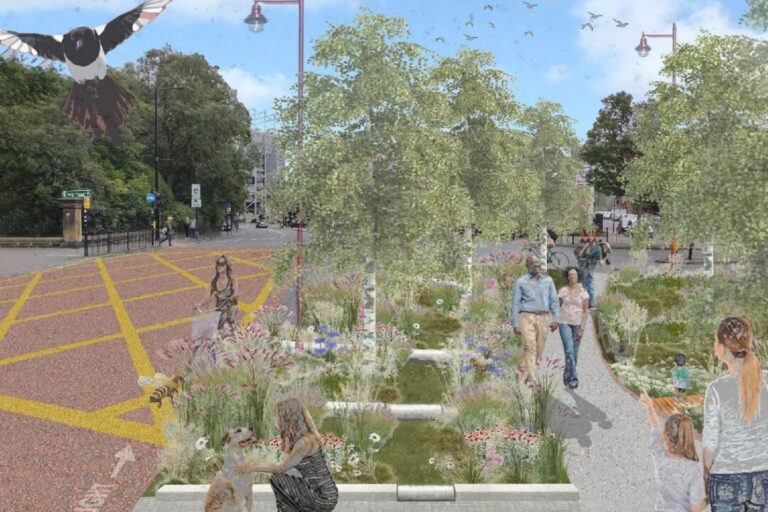
Figure 2- An artist impression of blue green infrastructure on Newcastle’s Barrack Road. (Newcastle City Council, n.d.)
These initiatives thus reflect the commitment of Newcastle in learning from other cities. Projects such as the Grey to Green transformation in Sheffield and the Flood Resilience Programme in Mansfield have guided Newcastle in designing spaces that will be multi-functional in improving biodiversity, flooding, and quality of life for citizens. Building from these examples, Newcastle is showing the potential of blue-green cities to create a sustainable future.
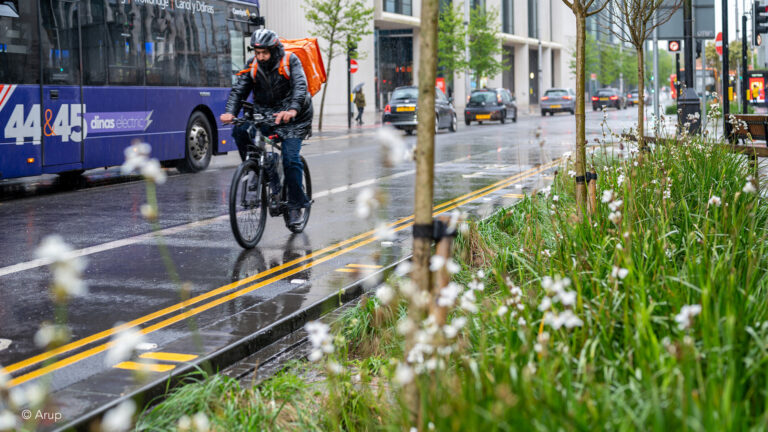
Figure 3 – Cardiff, Wood Street – SuDS Raingarden (Arup, n.d.)
Collaboration: Key to Success
Collaboration between local government, businesses, universities, and the community is the very basis of success in BGI work at Newcastle; an example is the Northumbria Integrated Drainage Partnership. Not least, communities make a vital contribution, for example, through the External Workshop in July 2024, to explore challenges jointly, and thus develop ownership and pride in approaches to ensure that solutions best meet their needs and aspirations for the area.
(Blue Green Newcastle, 2024. Introduction to Blue Green Newcastle: Workshop Outcomes and Strategies. Newcastle City Council, Environment Agency, Northumbrian Water Innovation Festival.)
The Vision for Blue-Green Cities
The Blue Green Vision is to…
“Create environmental and social opportunities throughout the heart of our city using innovative flood and water management techniques that make us more resilient to climate change.” (Newcastle City Council, 2023)
Newcastle’s vision for the future aligns with the broader goals of building sustainable and resilient urban areas.
Key priorities include:
-
A flood-free city where innovative drainage systems mitigate risks.
-
Cleaner air and thriving biodiversity for healthier communities.
-
Accessible, family-friendly public spaces that improve quality of life.
-
A sense of civic pride for residents interacting with their changed city.
These actions from Newcastle mean that the city is taking care of today’s environmental challenges and opening up the paths toward a more sustainable and inclusive urban future.

Figure 4 – Diagrammatic illustration of the potential for getting a wide range of benefits from using blue-green infrastructure to manage surface water in urban areas. (Woods-Ballard et al., 2015)
Final Thoughts
A key development in the twenty-first century is something reassuringly different, the emergence of the ‘blue-green’ city, such as Newcastle. By adopting blue-green infrastructure, cities can take action on climate concerns and increase biodiversity while developing more spaces that improve citizens’ quality of life.
From creative rain gardens to environmentally friendly drainage systems, Newcastle’s efforts show the transformational possibility of incorporating nature into urban design. Newcastle stands out as a beacon of how careful planning and teamwork can create a more sustainable future as more cities investigate comparable tactics.
This movement is crucial for the protection of our planet and the building of prosperous communities for future generations; it is not a trend.