
“Reviving Cities: The Economic Story”
Introduction
Urban design will be the process for developing areas that are inclusive from a social and economic point of view, not just aesthetic. This blog discusses how urban design can address various socioeconomic issues while considering equity and sustainability. The focus is on real examples and case studies that bring out the essence of embedding economic viability into urban design, drawing from ideas presented in Danny Oswell’s talk and the Urban Design Economic Assessment Toolkit.
In other words, good urban design is a delicate balance between aesthetic appeal and social and economic considerations. This blog will discuss how designers might achieve that sweet spot, with the help of resources like the Economic Assessment Toolkit.
What Is Economic Viability in Urban Design?
Economic viability refers to the ability and/or extent of an urban center effectively supporting the same community and promoting economic viability. This point of view places particular emphasis on developing areas in ways that yield investment opportunities and business enterprise across the spectrum to meet all sorts of demands for residents. Demographic, cultural, and economic variables therefore need to be factored within the realm of urban design for building locations that foster inclusiveness yet are practical as well.
Danny Oswell is the founder of the Economic Assessment Toolkit, a methodology that helps the urban designer in assessing the fundamental socio-economic factors, market potential, resources, site and location, culture and heritage, income and wealth and demography.
Important Aspects of Economic Viability
1. Demographics and Inclusivity
It is essential to comprehend the requirements of various demographic groupings. For example, healthcare services and accessibility should be the main priorities of urban areas created for senior citizens. In a similar vein, playgrounds and schools might be given priority in areas designated for young families.
Case Study: The relocation of long-term residents caused dissatisfaction against the renovation of London’s Elephant and Castle neighborhood, which attempted to modernize the neighborhood (Lees et al., 2018). This emphasizes how crucial it is to take the current population into account when planning metropolitan areas.
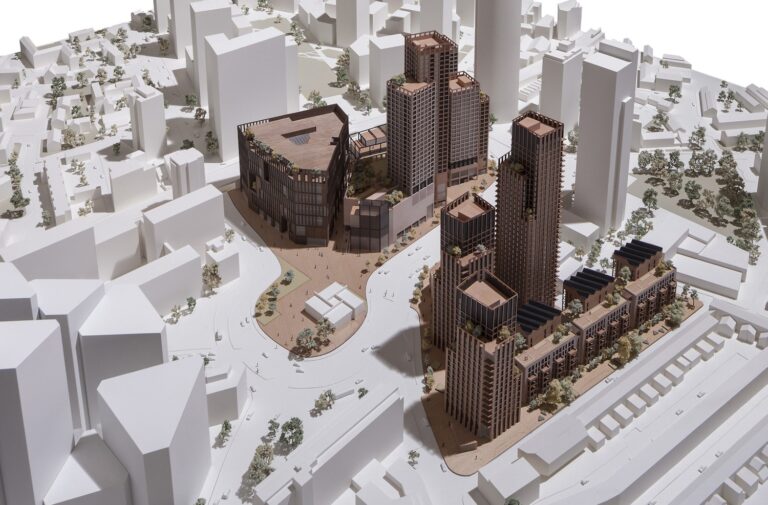 Figure 1:The overall scheme transforms a key London interchange (Allies and Morrison, n.d)
2.Identity, Heritage, and Culture
The cultural and historical background of a community needs to be respected and integrated into the urban design. Failure to do so may result in angry residents and a compromised project.
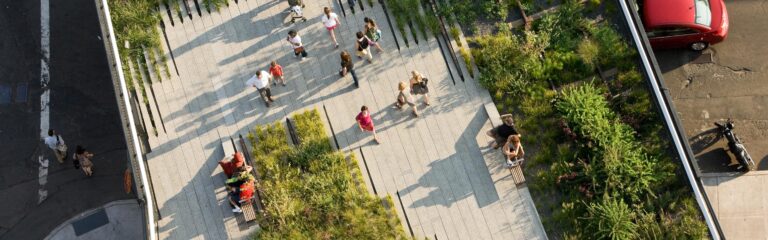
Case Study: New York City’s High Line transformed an abandoned railroad into a public park while maintaining its industrial heritage. This project did not compromise the local identity but brought financial investments without destroying it (Lindner & Rosa, 2017).