

Thank you for sharing your story. I really liked how clearly you explained the spatial inequalities in Qatif and how they affect daily life. The example you gave about Al-Awamiyah versus the newer coastal areas made the issue easy to understand. I admire your belief that design should bring people together and create fair and welcoming public spaces. Your passion for building more inclusive and human centered cities is inspiring, and I’m sure you will make a positive impact through your work in urban design.
From Interiors to Urban Life: Creating Environments that Consider Equity, Belonging, and Human Experience
My interest in urban design has stemmed from my desire to learn more about the effects of the built environment on human life, social relations, and the human experience of a place. Previously, I had experience in interior architecture, which involved discussing the human experience for a long time from the perspective of architectural buildings and their interiors. Still, I began to feel like I was merely scratching the surface of a much larger discussion about design. What is the function of what occurs outside the building? How do streets, neighbourhoods, and public spaces influence social interaction, identity, and inclusion? That was the motivation that led me to engage in studies of Urban Design.
I am from Qatif, a coastal town located in the Eastern Province of Saudi Arabia, whose cultural history enriched my family’s social connections through the amplifier of everyday life. In the everyday experience in Qatif, there are inequalities of space and place experience that have become visible with the increasing phenomenon of urbanization found in many communities. One aspect of this phenomenon that has been advocated for and is quite apparent to me in terms of social interaction and place is the disconnect in the public domain from an infrastructure, as well as a lack of infrastructure that fosters access. For example, public spaces are often not connected, vacant, disconnected, and poorly maintained, and pedestrian pathways are often disconnected and not developed to engage; specifically, car ownership becomes inevitable. Therefore, the community’s sense of engagement with the other side of the city or the sense of engagement with the residents is limited by the environment.
A specific example of this disparity is the district that the historic town, Al‑Awamiyah, occupies, which has narrow roads and older abandoned buildings, resulting in neglected infrastructure. Unlike the newer areas such as C Front (Corniche Front), a public space with proper coastal infrastructure, the historic town is receiving less money and attention than the older tourist-friendly areas in Tarut Island, where the Tarut Castle is. There is an observable spatial inequality between older, historic parts of Qatif and the newer areas, which affects mobility and access as well as perceptions of what needs work and when funds are allocated, if they are at all, where, and for what purpose. I see it as a spatial injustice in that the physical and social consequences of decisions about design and planning still affect fairness in everyday life, especially in places disadvantaged through devaluation and neglect.
This scrutiny is vital, as it has served to deepen my belief that design is a tool for inclusion, not exclusion. In other words, urban design can redesign cities that foster more social cohesion & sustainability while recognizing the unique character of place. I hope to use this program to better understand how it is possible to bridge theory and practice for urban issues ethically and creatively. I will also engage in participatory design, inclusive public spaces, and sustainable urban systems to respond to communities’ real needs.
In the end, my reason for pursuing urban design is simply the opportunity to expand my professional and intellectual horizons and to go from designing interiors that shape individual experience to designing urban spaces that create a sense of belonging in collective experience. I want to help create urban life that is functionally and aesthetically beautiful and is, at once, just, equitable, and genuinely human.
An insight into Qatif, where architecture that is centuries old meets contemporary city life.
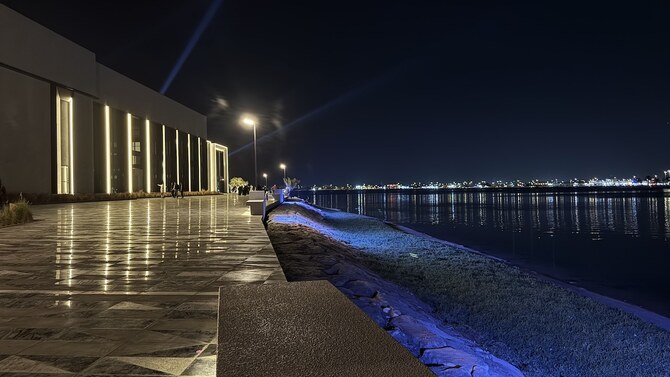
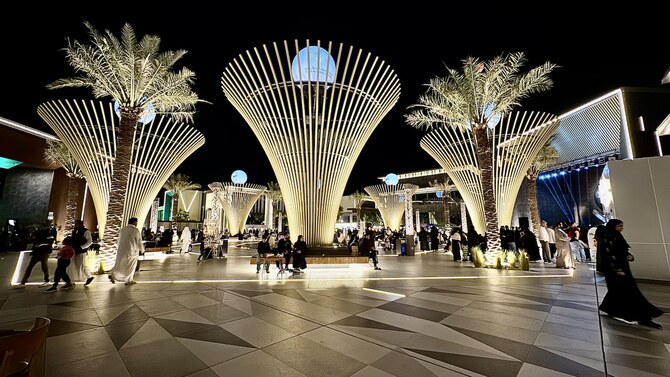
Figure 1. C Front Qatif Waterfront Figure 2. C Front Qatif Public Plaza
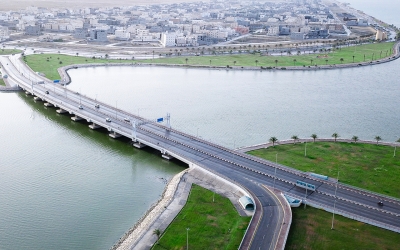
Figure 3. Qatif Corniche and Bridge Infrastructure

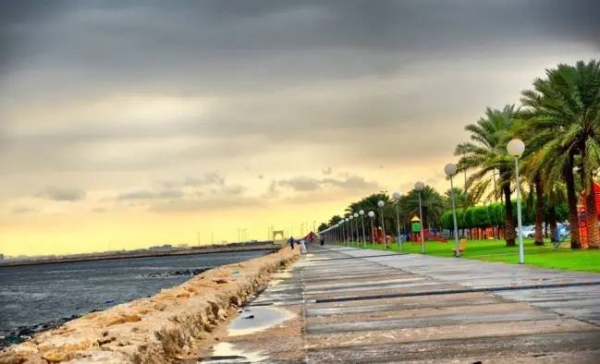
Figure 4. Tarut Castle Figure 5. Qatif Corniche Promenade
A video overlooking Qatif’s old town, the coastal park, Tarut Island, and its newly renovated spaces.
References:
Arab News (2024) New Qatif promenade beckons locals with coastal views, diverse flavours, 8 December. Available at: https://www.arabnews.com/node/2582266/saudi-arabia (Accessed: 18 October 2025).
Saudi Gazette (2024) Comprehensive plan OK’d to transform Qatif into an integrated coastal oasis, 15 September. Available at: https://saudigazette.com.sa/article/645540 (Accessed: 18 October 2025).
Saudipedia (no date) Al-Qatif Governorate. Available at: https://saudipedia.com/en/article/1188/geography/provinces-and-cities/al-qatif-governorate (Accessed: 18 October 2025).
YouTube (2024) Discovering Qatif: A journey through time, 10 October. Available at: https://www.youtube.com/watch?v=oyz-CNNw5Fo (Accessed: 18 October 2025).
List of figures:
Arab News (2024) Public plaza at Qatif Corniche featuring contemporary lighting structures and night-time social activity. Photograph. Available at: https://www.arabnews.com/node/2582266/saudi-arabia (Accessed: 18 October 2025).
Arab News (2024) Qatif Corniche promenade showing pedestrian walkway, palm-lined public realm and coastal edge, Eastern Province, Saudi Arabia. Photograph. Available at: https://www.arabnews.com/node/2582266/saudi-arabia (Accessed: 18 October 2025).
Arab News (2024) Waterfront promenade at night showing seating areas, lighting design, and coastal edge condition in Qatif. Photograph. Available at: https://www.arabnews.com/node/2582266/saudi-arabia (Accessed: 18 October 2025).
Saudi Gazette (2024) Aerial view of Qatif Corniche and bridge infrastructure highlighting coastal connectivity and urban development. Photograph. Available at: https://saudigazette.com.sa/article/645540 (Accessed: 18 October 2025).
Saudipedia (no date) Tarut Castle, Al-Qatif Governorate, illustrating historic defensive architecture and heritage landscape. Photograph. Available at: https://saudipedia.com/en/article/1188/geography/provinces-and-cities/al-qatif-governorate (Accessed: 18 October 2025).

Thank you for sharing your story. I really liked how clearly you explained the spatial inequalities in Qatif and how they affect daily life. The example you gave about Al-Awamiyah versus the newer coastal areas made the issue easy to understand. I admire your belief that design should bring people together and create fair and welcoming public spaces. Your passion for building more inclusive and human centered cities is inspiring, and I’m sure you will make a positive impact through your work in urban design.