

Reflective Summary : A Journey Through my Urban Design Course
Reflective Summary
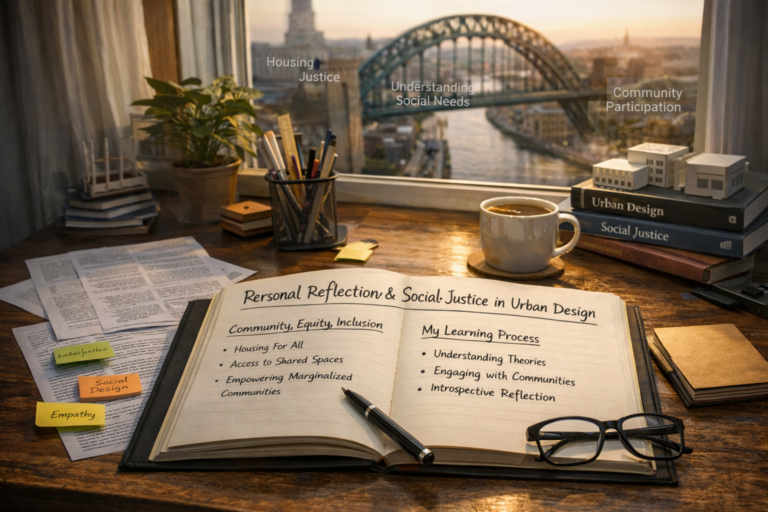
Fig 01. A Detailed image showing the learning process
Personal Reflection : Overall Experience
As a Master of arts student in urban design at Newcastle University, this course has been a meaningful and transformative learning experience for me. Throughout the module, i engaged with different forms of learning, including writing blog posts, reading peer work, participating in discussions, and reflecting on themes such as community, housing, and justice. these activities allowed me to move beyond traditional academic writing and explore urban design from a more personal, critical, and reflective perspective.
Writing Blog posts was particularly valuable for my learning. it encouraged me to express my thoughts in a clear and accessible way, rather than focusing only on formal language. through blogging, i learned ow to connect theoretical concepts with real-world urban issues, such as social isolation, housing inequality, and the role of design in creating a sense of belonging. sharing my work publicly also made me more aware of my responsibility as a future urban designer to communicate ideas thoughtfully and ethically.
Engaging with the work of my peers helped me understand how diverse experiences and backgrounds influence perspectives on urban spaces. reading others reflections challenged my assumptions and expanded my understanding of how urban design impacts people differently based o culture, age, gender, and socioeconomic conditions. commenting on their posts ad receiving feedback on my work helped me develop critical thinking skills and confidence in expressing my views.
Takeaways from the urban design and social justice
urban design and social justice are closely connected because the way cities are planned affects how people live everyday. city design can make it easier or harder for people to access jobs, schools, healthcare, transportation, and public spaces. In many places, urban planning has historically favored wealthier and more powerful groups, leaving low income ad marginalised communities, with poor housing, fewer services, unsafe streets, and higher exposure to pollution. social justice in urban design focuses on correcting these inequalities so that all residents benefit fairly from city development.
a socially just city ensures equal access to basic services such as public transportation, clean water, healthcare, education, and affordable housing. well-designed public spaces like parks, sidewalks, and plazas should be safe, inclusive, and usable by everyone, including children, older adults, and people with disabilities. transportation systems should prioritize, walking cycling and public transit rather than only cars, since many people cannot affored private vehicles. fare housing policies and zoning are also iportant to prevent displacement and segregation and to promote mixed-income, diverse neighbourhoods.
Conclusion
overall this course has helped me see urban design not just as a technical or visual discipline, but as a social and ethical practice. it has encouraged meto reflect on my own position as a designer and the values i bring into my work. Tis reflective journal is an opportunity to look back on my learning journey, evaluate my growth, and consider how these experiences will shape my future academic and professional practice in urban design.
