

Pavement Politics – Who moves?
When discussing the right to the city, the conversation often moves towards larger urban issues such as housing, displacement, privatisation and inequality.
We are not going to solve all the world’s inequalities overnight, so let’s start with something smaller, much smaller, this brings me to the pavement. The residual pedestrian realm, does not escape the social production of space (Lefebvre, 1991), the pavement is far from politically neutral. Though the pavement functions as a pedestrian route, it also demonstrate at a smaller scale how hierarchy, were and belonging are negotiated through our everyday movements.
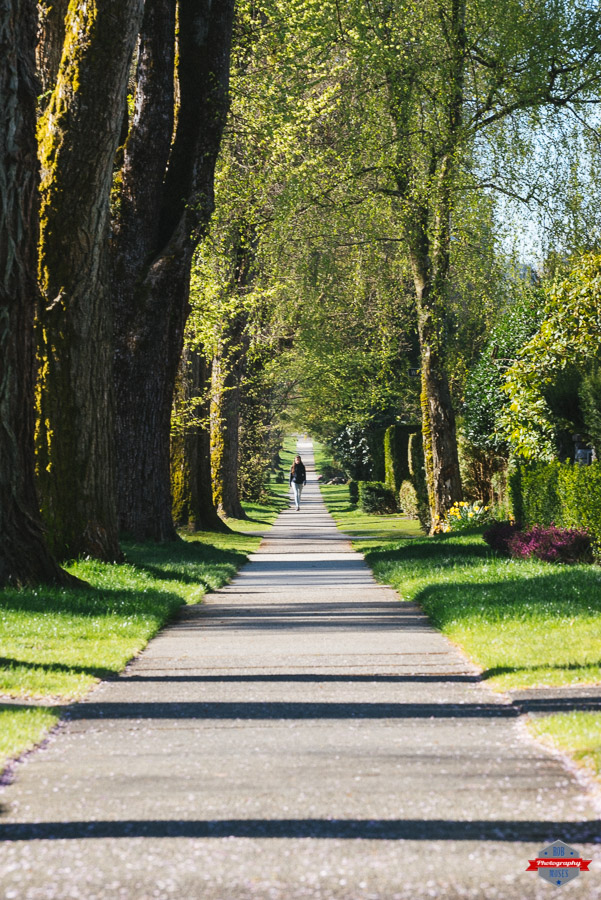
Figure 1: Sidewalk/public realm image (Moses, 2021).
Walking as everyday negotiation
Michel de Certeau states ‘The act of walking is to the urban system what speech is to language’ (de Certeau, 1984). Movement isn’t neutral. Yielding the pavement or refusing to yield says something. Most of us know the jarring feeling of walking towards a larger group of people that simply will not move. The encounter is fleeting benign almost forgettable. Yet, when repeated these moments feeling much bigger the meaning of the interaction changes.
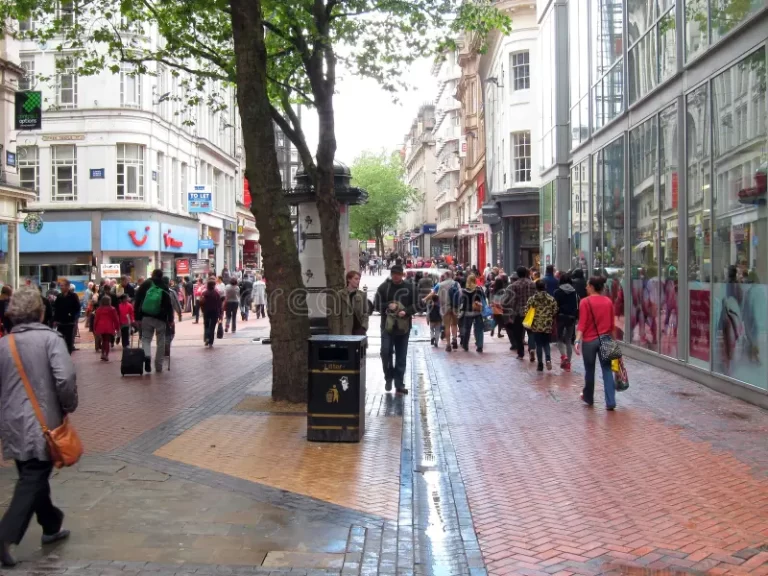
Figure 2: Crowded pavement image (Dreamstime, no date).
These tiny sidewalk negotiations aren’t just about etiquette; they are everyday statements about who gets uninterrupted passage and who is expected to absorb the inconvenience.
Urban design sharpens that tension. Jan Gehl observes that, in car-oriented cities, “one sees buildings and cars, but few people, if any, because pedestrian traffic is more or less impossible” (Gehl, 2011, p. 33). This is particularly provocative as it describes a priority that we barely question : roads are routinely given generous room, while pavements are narrowed until pedestrians must negotiate one another’s right to be there. The smaller the pavement, the more likely these encounters are to become abrasive, and the more often strangers are forced to reveal, however casually, how much regard they have for one another.
I often think about an experience walking with my parents. An oncoming couple occupied the entire pavement. My father and I instinctively stepped into the road to let them pass. My mother did not. For context my mother is a Black south African who grew up during apartheid, her refusal to move carried a very different historical weight. For her, stepping into the road meant accepting a social hierarchy she had spent much of her life navigating.
Designing for recognition, not residue
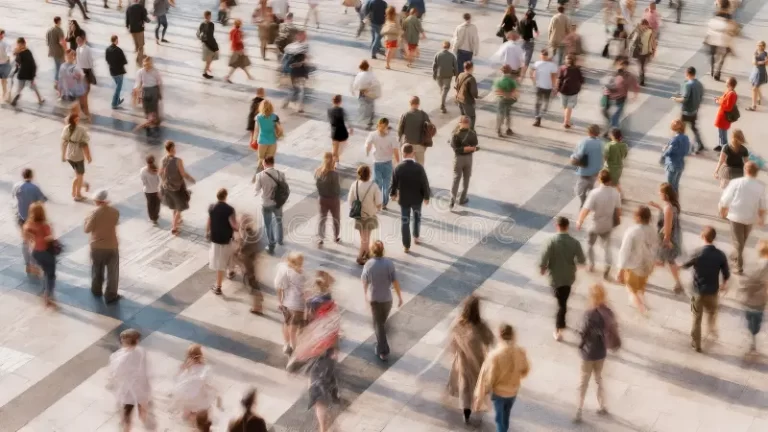
Figure 3: Crowd movement and human flow image (Dreamstime, no date).
Perhaps this is why pedestrian space should never be treated as residual. Cities are experienced through passing strangers. There’s something quite beautiful and serendipitous about have a positive interaction with a stranger, those tiny moments of recognition that make urban life feel rich and collective.
Yet other encounters abruptly remind you of how society perceives you. Sharply bringing you back to reality.
A person who does not know you personally, yet within seconds they can sort you into a hierarchy through visual cues alone: race, gender, age, class, confidence. The decision of who steps aside often happens silently and instinctively, but that does not make it apolitical. As an urban designer, I believe pedestrian environments should reduce unnecessary social friction rather than intensify it. The politics of the city are not only found within institutions or masterplans, but within thousands of fleeting interactions between passing strangers.
References
de Certeau, M. (1984) The Practice of Everyday Life. Berkeley: University of California Press.
Gehl, J. (2011) Life Between Buildings: Using Public Space. Washington, DC: Island Press.
Lefebvre, H. (1991) The Production of Space. Oxford: Blackwell.
Image references
Moses, R. (2021) The Beautiful Sidewalks. Available at: https://robmosesphotography.com/2021/04/23/the-beautiful-sidewalks/ (Accessed: 21 May 2026).
Dreamstime (no date) Crowded Pavements Images, Pictures and Stock Photos. Available at: https://www.dreamstime.com/photos-images/crowded-pavements.html (Accessed: 21 May 2026).
Dreamstime (no date) Crowd Movement, Human Flow, Urban Dynamics. Perfect for Urban Studies, Public Spaces, Event Planning. Available at: https://www.dreamstime.com/crowd-movement-human-flow-urban-dynamics-perfect-studies-public-spaces-event-planning-time-lapse-image400167902 (Accessed: 21 May 2026).
