

The Instagram City: How Social Media is Reshaping Urban Design
Recently, social media, primarily Instagram, has changed how cities are designed, experienced, and represented. Historically, cities have been designed for functional, social, and economic considerations and not as much for how they look or how easy they will be to share online. This has created the “Instagram city” which is a curated representation of urban space with the intention of maximising digital interaction.
This transition of the city being seen through a digital platform is part of a larger change in urban culture; cities are now consumed visually rather than through physical engagement with the actual city itself (Highfield and Leaver, 2016). While this may enhance a city’s identity and provide economic opportunities, it also raises concerns about the commodification of Urban space and the emphasis on visual spectacle at the expense of real experiences. The goal of this article is to examine the new trend of using Instagram as a way of creating and marketing urban areas to be visually appealing, rather than inclusive or authentic, and that do not consider long-term usability.
Urban Space Transformed into Visual Commodities
The theory of “the spectacle society”, developed by Guy Debord, helps to understand how urban space has changed into a commodity to be viewed. According to Debord, our contemporary society has become a society of image experiences and representations; in other words, what one represents is more important than what is true. (Debord, 1967). Within urban design, this is evident through the prioritization of aesthetically pleasing experiences that can be easily captured and shared digitally or through social media.
Designing urban spaces occurs not just with a view towards physical interactions but also with the possibility of digital consumption. Streets, public spaces, and retail environments are designed to provide visually pleasing backdrops to various activities, often using bold colours, eye-catching artwork, and other photogenic elements. The shift from traditional urban design to more recent urban design places greater emphasis on visual engagement with properties of brand image over criteria related to function, accessibility, and a wide range of uses of a place, according to Gehl (2010) and Zukin (2010).
As cities and towns continue to develop, urban environments are increasingly treated like commodities and sold on digital marketplaces. The success of an urban environment is based on how well it is represented and has a strong following on social media rather than how well it supports diverse forms of urban life (Miles 2017). The digital marketplace is helping redefine urban value by giving more consideration to aesthetic appeal and online presence than to support for a diverse range of urban activities.
Case Studies: Visibility through Design
In many places around the world, the impact of social media on urban design is seen. Many areas, such as Shoreditch (in east London), have undergone urban development and renewal because of the creation of spaces that have visual distinction. The goal of creating an environment that attracts people for their use of social media is often achieved through the creation of street art, retail shops, and café environments with a specific theme or concept, creating an area that many refer to as “creative” and “Instagrammable” (Zukin, 2010).
Because of the plans that went into this type of design, many of these environments serve not only as places for people to go but also serve as commodities (visually) for social media to help create an area brand or identity.
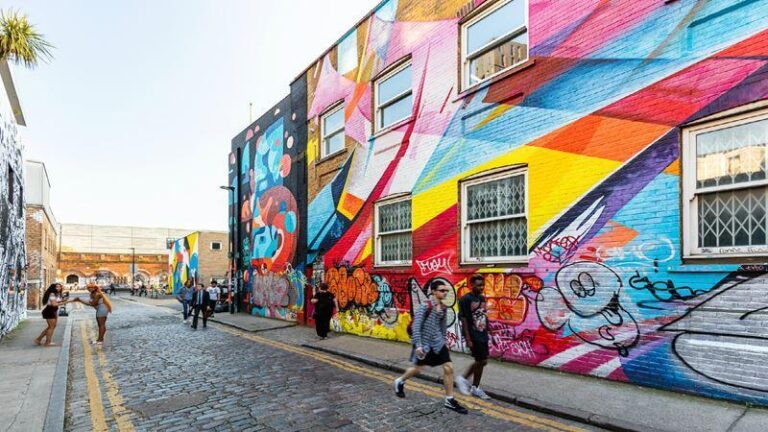
Figure 1: Street art in Shoreditch, London illustrating the transformation of urban space into an Instagrammable environment associated with creative industries and urban regeneration.
In a similar fashion, cafe culture in Seoul and other cities has developed into a contemporary style that emphasizes aesthetics. Spaces have also been deliberately developed to facilitate photography, using pastel colors, neon lights, and thoughtfully planned layouts. As displayed in Figure 2, aesthetics serves to support the digital representation of urban space while reducing its functional value (Highfield and Leaver, 2016).
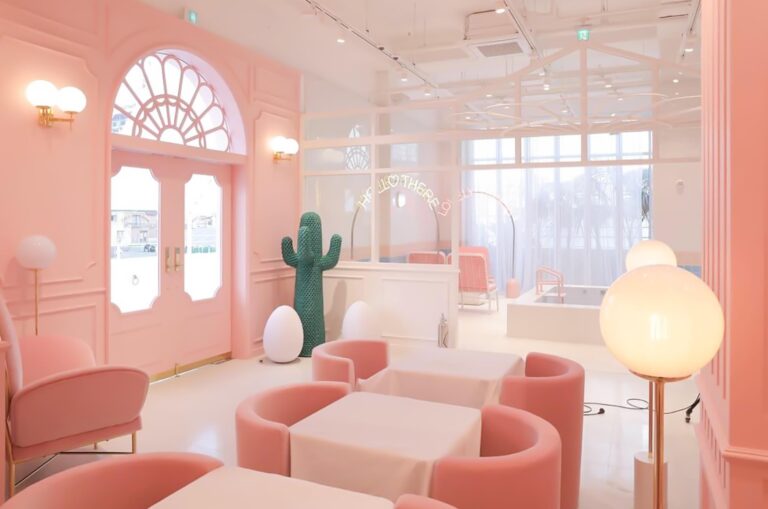
Figure 2: Aesthetic café interior in Seoul demonstrating how commercial spaces are curated to maximise visual appeal and social media engagement.
On a broader level, cities like Dubai showcase how urban spectacle is created through architecture. Many buildings are constructed solely to provide an inspiring visual image of the city, to project a global image, and to provide a place for tourism and digitally connected people. As illustrated in Figure 3, these types of urban environments express Debord’s idea of spectacle, where the image of a city plays more importance than the actual lived experience of that place (Debord, 1967; Miles, 2017).
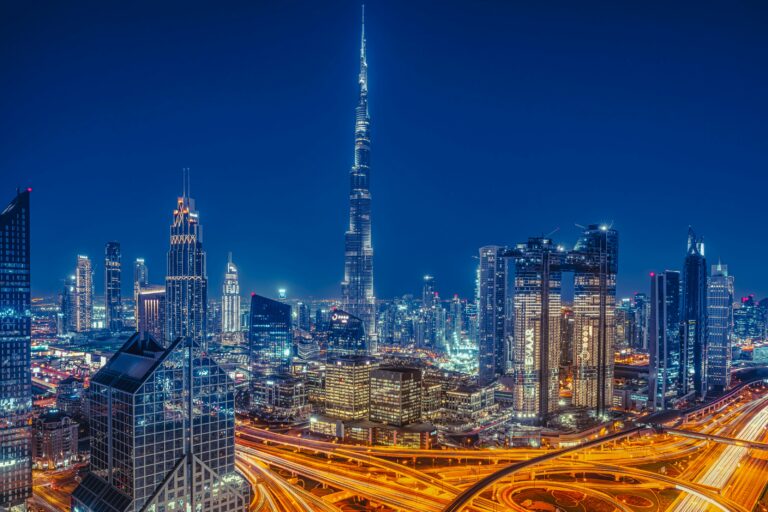
Figure 3: Dubai skyline at night, representing large-scale urban development driven by spectacle, high-density architecture, and global image-making.
Effects of Urban Experience and Inclusion in a City with an Instagram Influencer
The emergence of the ‘Instagram city’ presents several implications for the urban experience and inclusion in the city. As urban design and development prioritize aesthetics over functionality and marketability, it will become increasingly difficult for many groups of people to access these areas, creating an exclusionary, and ultimately less diverse, urban experience.
Traditionally, public spaces have been viewed as a place for people from various backgrounds to interact in a meaningful way; as such, they were designed and built to foster social interactions, and social diversity has been limited in public spaces where commercial interests control the use of the space (Low and Smith; 2006). In addition, as there is a need to create a constructed and controlled image of a place, activities that do not fit within this image will be discouraged. By limiting the types of activities that can occur in these areas, both the diversity of related urban experiences and the diversity of urban living space will be limited.
Finally, the development of urban environments primarily designed to provide a visually consumable experience can detract from the actual experiences of living in those areas. Because spaces designed for photographic consumption typically do not provide a warm, inviting environment, are not easily adaptable to human movements, and do not provide access for everyone, their value will be diminished over time.
The emergence of urban centers reflected a transformation in the conception and appreciation of urban places in digital society; on one hand, engaging visualized environments augment place identity and increase internationally seen cities’ presence; however, they can also reduce cities to mere surfaces through which one can consume.
Thus, urban designers face the challenge of achieving an appropriate equilibrium between real and representative. By establishing a foundation of inclusive, authentic, and functional principles to guide their efforts, urban designers will maintain the integrity and accessibility of urban landscapes instead of making them merely aesthetically pleasing (i.e., project pictures) objects.
References
Debord, G. (1967). The Society of the Spectacle. Paris: Buchet-Chastel.
Gehl, J. (2010). Cities for People. Washington, DC: Island Press.
Highfield, T. and Leaver, T. (2016). Instagrammatics and digital methods: studying visual social media, from selfies and GIFs to memes and emoji. Communication Research and Practice, 2(1), pp.47–62. doi:https://doi.org/10.1080/22041451.2016.1155332.
Low, S. and Smith, N. (2006). The Politics of Public Space. New York: Routledge.
Mayflower (no date). 5 Instagram-worthy cafes in Seoul. [online] Available at: https://www.mayflower.com.my/blog/5-instagram-worthy-cafes-in-seoul (Accessed: 15/04/26).
Miles, M. (2017). Cities and Literature. London: Routledge.
Visit London (no date). Shoreditch bars and pubs. [online] Available at: https://www.visitlondon.com/things-to-do/london-areas/hoxton-and-shoreditch/things-to-do/food-and-drink/shoreditch-bars-and-pubs (Accessed: 15/04/26).
Zukin, S. (2010). Naked City: The Death and Life of Authentic Urban Places. Oxford: Oxford University Press.
Unsplash (no date). Burj Al Arab skyline image. [online] Available at: https://unsplash.com/photos/burj-al-arab-DcyL0IoCY0A (Accessed: 15/04/26).
List of Figures
Figure 1 – Street art in Shoreditch, London illustrating the transformation of urban space into an Instagrammable environment associated with creative industries and urban regeneration. (Visit London, no date)
Figure 2 – Aesthetic café interior in Seoul demonstrating how commercial spaces are curated to maximise visual appeal and social media engagement. (Mayflower, no date)
Figure 3 – Dubai skyline at night, representing large-scale urban development driven by spectacle, high-density architecture, and global image-making. (Unsplash, no date)
