

Thank you for sharing your inspiring journey. I really enjoyed how you connected curiosity, technology, and human centered design to shape your vision as an architect and future urban designer. Your reflections on sustainability, smart cities, and the role of GIS show a strong commitment to creating resilient and meaningful spaces. I’m also very curious to learn more about kinetic facades and GIS, especially how you see them shaping future urban environments. I admire your passion for learning through both research and practice, and I’m sure your forward thinking approach will lead you to make a positive impact in the field of urban design.
Curiosity that Builds Cities: My Journey in Architecture and Urban Design
Curiosity and Design Thinking
“Millions saw the apple fall, but Newton asked why.”
This quote has always resonated with me, reminding me that innovation begins with curiosity — the courage to question and explore. This mindset has continually guided my journey as an architect and emerging urban designer, shaping how I perceive cities and the spaces within them.
From the very start of my academic journey, I was drawn to the intersection of design, technology, and human experience. During my professional internships with architecture and urban design firms, I encountered the complex realities of urban growth — balancing sustainability, infrastructure, and cultural identity. These experiences, in turn, deepened my interest in how Information Communication Technology (ICT) can create smarter and more responsive cities.
Over time, my fascination with innovation and design thinking grew stronger. Consequently, I began focusing on sustainability, efficiency, and resilience as key principles in my work. Furthermore, my curiosity expanded when I explored Geographic Information Systems (GIS) and their applications in urban planning. Understanding how data-driven tools improve land-use management reinforced my belief in integrating technology with thoughtful design.
Learning through Practice and Research
A major milestone in my academic journey was my thesis project — an Eco Retreat Resort in Karnataka. Through this, I aimed to merge traditional wisdom with sustainable strategies, reducing environmental impact while enhancing user experience. This project not only connected architecture and urban planning but also reflected my belief that design should coexist harmoniously with nature.
Beyond formal academics, I consistently sought opportunities to learn through workshops and field experiences. For instance, sessions on advanced technologies, kinetic facades, and color psychology expanded my technical and creative skills. Additionally, a heritage documentation project in Himachal Pradesh, where I was selected among the top twenty students, became a defining moment. The project received an Award for Excellence, further deepening my understanding of cultural preservation in contemporary urban design.
Moreover, professional experience across educational, commercial, and hospitality projects strengthened my design and site management abilities. These roles taught me to approach challenges holistically and adapt to changing contexts. Participation in competitions such as Saint Gobain Transparence by Ethos, Master Studio Design, and the Rotary Youth Leadership Awards further refined my teamwork and problem-solving skills. In addition, managing freelance projects alongside academic and professional commitments sharpened my adaptability and time management — both crucial traits in architectural practice.
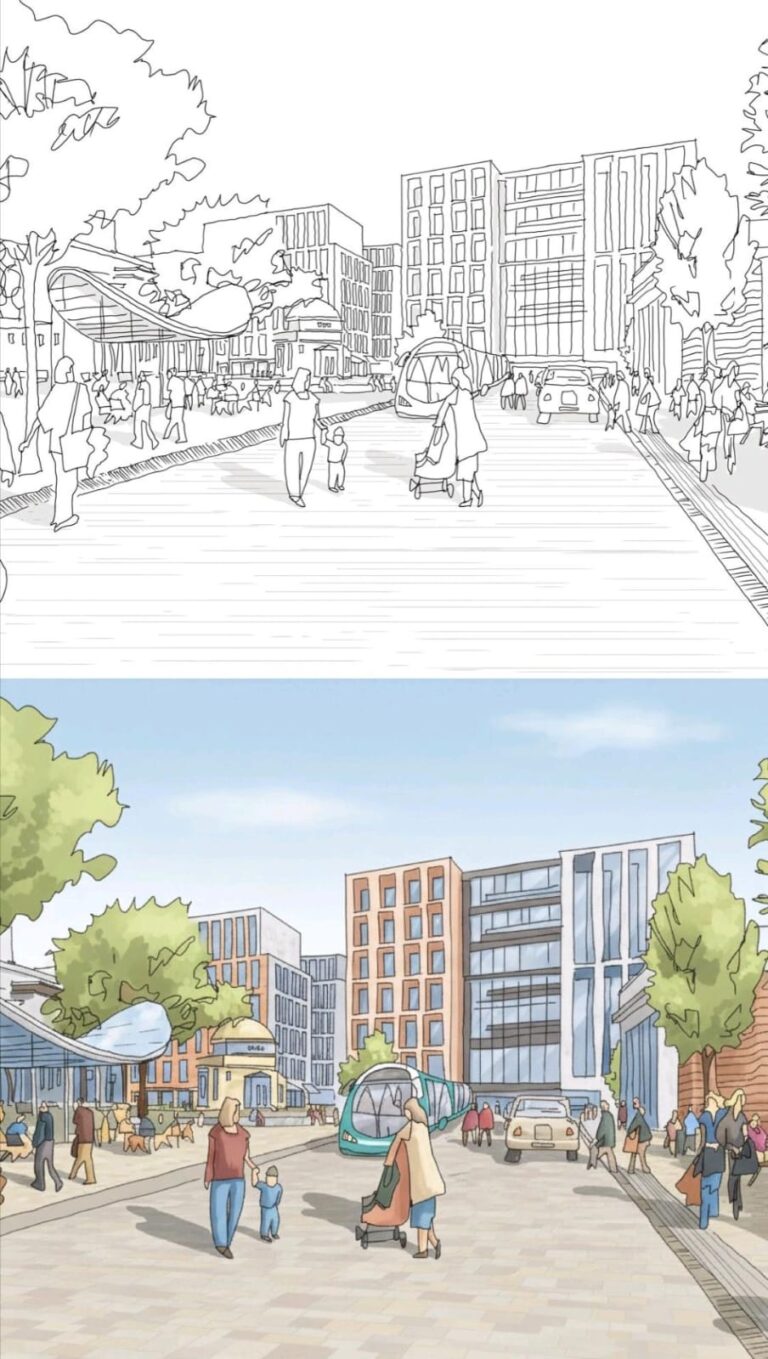
Image 1: User friendly city planning. Available at : https://www.instagram.com/p/DOz_4PHAdTe/?img_index=3. (Accessed: 18/10/2025).
Vision for the Future
At present, my interests lie in sustainable urbanism, smart city planning, and technological integration within the built environment. I firmly believe that thoughtful design can create cities that are efficient, adaptive, and human-centred.
Looking ahead, I remain guided by the same curiosity that first inspired me — to ask, why not design better cities? Ultimately, I see architecture and urban design not merely as the creation of structures. They are the art of envisioning spaces that respond meaningfully to people, context, and the planet.
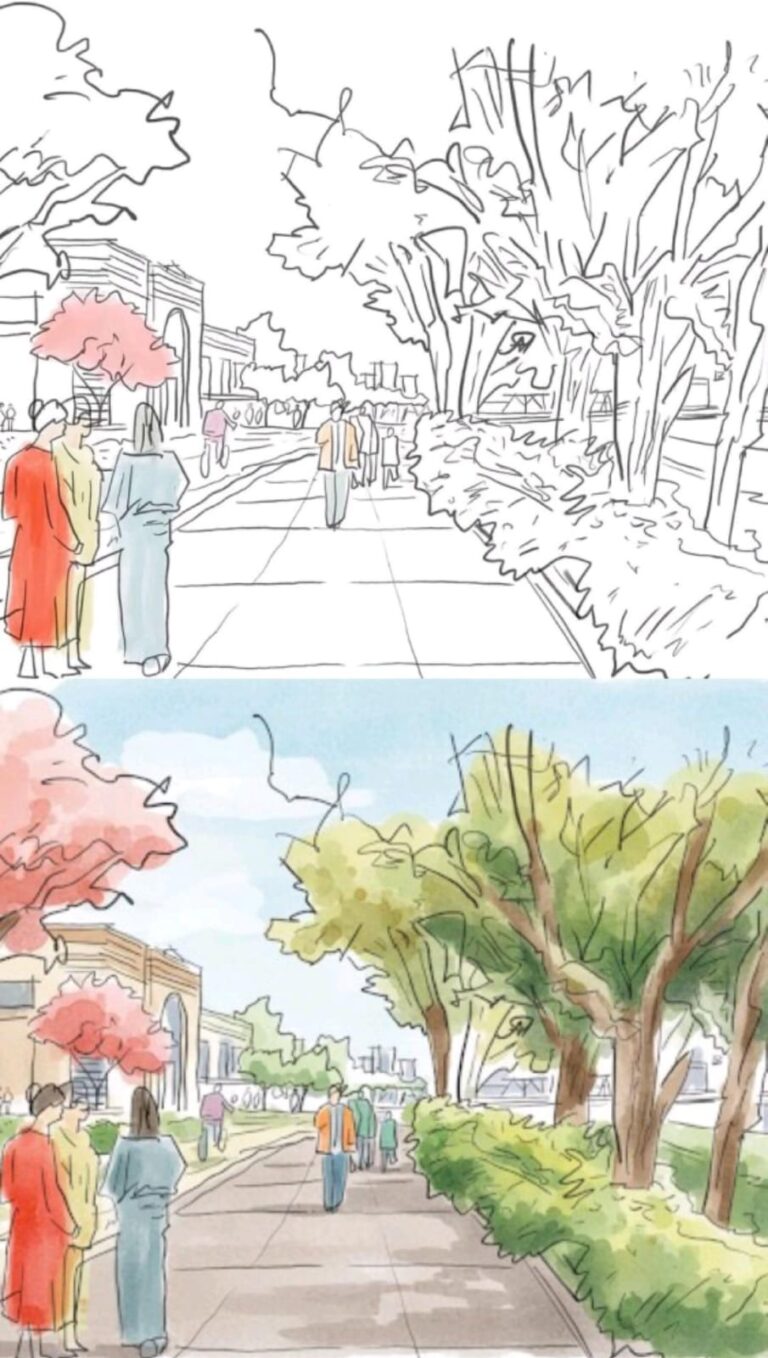
Image 2: Sustainable landscaping around city. Available at : https://www.instagram.com/p/DOz_4PHAdTe/?img_index=3. (Accessed: 18/10/2025).

Thank you for sharing your inspiring journey. I really enjoyed how you connected curiosity, technology, and human centered design to shape your vision as an architect and future urban designer. Your reflections on sustainability, smart cities, and the role of GIS show a strong commitment to creating resilient and meaningful spaces. I’m also very curious to learn more about kinetic facades and GIS, especially how you see them shaping future urban environments. I admire your passion for learning through both research and practice, and I’m sure your forward thinking approach will lead you to make a positive impact in the field of urban design.