

Effects of urban sprawl on housing availability, transportation, and the environment
Introduction
Urban sprawl, the uncontrolled growth of urban areas into the surrounding rural lands, can be seen as the leading cause of housing shortage, transportation system problems, and environmental issues (Banai and DePriest,2014). This essay intends to investigate the complex influences of urban sprawl on these three factors. By assessing the drawbacks and advantages of urbanization, the research can see how urban planning and development strategies can be used to prevent the negative impacts of the process while creating sustainable and inclusive urban spaces.
Housing availability
One of the significant effects of urban sprawl is the stress on housing amenities. When cities grow, the demand for housing also grows, leading to higher prices and reduced affordability for many residents. The term gentrification is the most well-known reason for the displacement of the lower communities(Maurício and Mirian Vizintim Fernandes,2012). Urban planners promote mixed-incomers mixed-income housing developments and policy measures such as this.
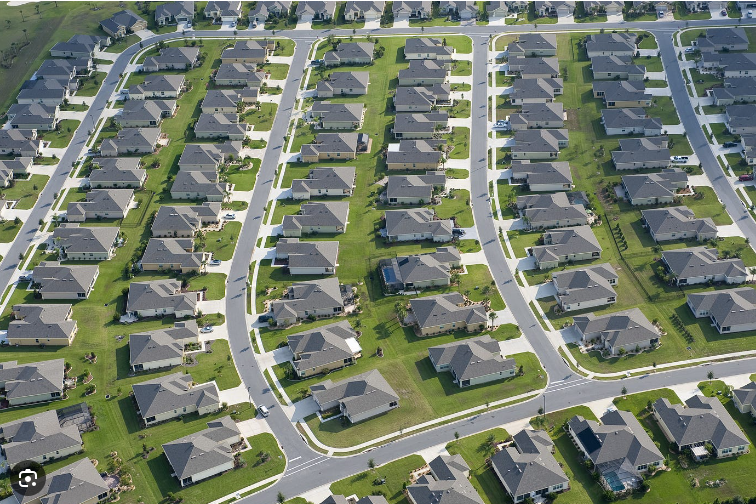
Figure 1: How Urban Sprawl is ruining our Cities…and What We Can Do
Source: Bogna Kaminska
Transportation
The other area that is affected by urban sprawl is transportation. According to De Vos and Witlox (2013), people living in suburbia are forced to commute longer distances and, therefore, need their cars more often. This results in traffic jams, air pollution, and higher CO2 emissions. This is called car dependency, and it can be dealt with by transit-oriented development (TOD), which is about creating compact, walkable communities centered on public transportation hubs. The introduction of cycling and walking-friendly infrastructure will lead to a reduction in car usage and consequently to the improvement of urban transport in general.

Figure 2: Urban Transport Challenges
Source: The Geography of Transport Systems
Environment
Another important problem of urban sprawl is its environmental impact. The urbanization phenomenon not only destroys the natural land but also the loss of habitat, either by habitat fragmentation or by depletion of natural resources. As a result, these tend to initiate biodiversity depletion and ecological instability. Therefore, urban planners can promote ecological principles like green building design, green roofs, and green areas within the city. These measures play a crucial part in fighting against urban sprawl and making the most of metropolitan regions that become green and eco-friendly.
Conclusion
The overspread of cities lowers housing availability, increases transport difficulties, and causes environmental damage. Thus, policymakers, planners, and designers can work together to create cities that are livable, equitable, and inclusive. With innovative development principles that include space conservation, mixed land use, and preservation of natural landscaping, urban sprawl issues can be curbed, and eco-friendly and vibrant cities can be created.
References
1.Banai, R. and DePriest, T., 2014. Urban sprawl: Definitions, data, methods of measurement, and environmental consequences. Journal of Sustainability Education, 7(2), pp.1-15.
2.Chen, D., Lu, X., Liu, X. and Wang, X., 2019. Measurement of the eco-environmental effects of urban sprawl: Theoretical mechanism and spatiotemporal differentiation. Ecological Indicators, 105, pp.6-15.
3.De Vos, J. and Witlox, F., 2013. Transportation policy as a spatial planning tool; reducing urban sprawl by increasing travel costs and clustering infrastructure and public transportation. Journal of transport geography, 33, pp.117-125.
4.Maurício, P. and Mirian Vizintim Fernandes, B., 2012. Urban sprawl and the challenges for urban planning. Journal of Environmental Protection, 2012.
