

Finding Balance on the Street: Commerce, Movement and Everyday Life
Since coming to Newcastle, I walk local streets every day, either to the studio or to the shops. I can see small businesses, buses, bikes and people talking, but I also notice delivery vans and cars competing for their space. During the rush hours it is even more constrained. Being a Chinese international student, I enjoy the buzz, though it may seem to be unsafe and unclear. I start to ask: how is it possible to have commerce and movement on one street?
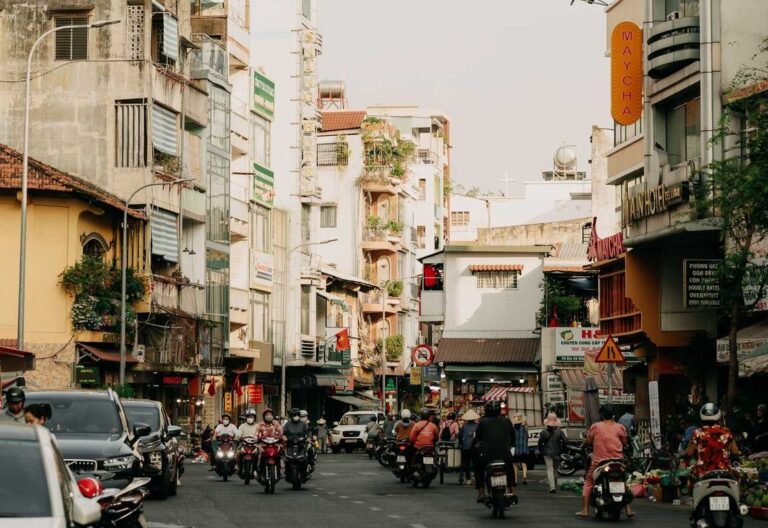
Figure 1.Everyday conflicts between commerce and movement
After reading some articles helped me realize what good streets have in common. Stavroulaki et al. (2020) reviewed research on multi-use streets. They pointed out some common elements: good pedestrian space, safe crossing, support for cycling and public transport, and vibrant ground floors such as stores and cafes. This is just what I feel: when walking is comfortable, people will stay longer and local business will have more chance to attract customers.
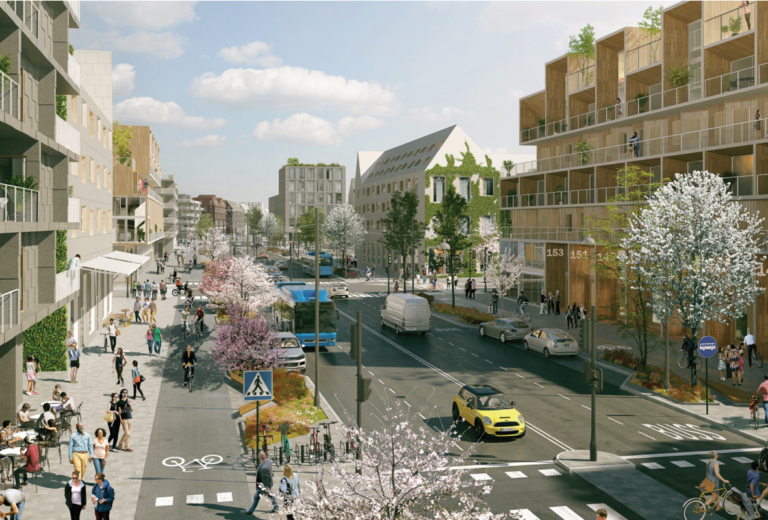
Figure 2.The common elements of a well-functioning street
There is no doubting that balance is delicate. Too many cars can turn the street into a kind of corridor. And at the same time, too many restrictions may worry the shop owners who fear loosing customers and deliveries. Brownrigg-Gleeson et al. (2023) carried out a research on pedestrianised areas in Madrid. Almost two-thirds of residents were happy and approximately half of the business owners believed that it was good for trade. However, some issues were shifted to the adjacent streets. This reminds me that i need to think not only about a single block, but the larger network of streets.
During the Easter holiday, I visited Barcelona, and some of its quieter residential streets as well as its busier commercial streets left a strong impression on me. Experiencing these different street conditions gave me a deeper understanding of how movement, commerce, and everyday life can coexist on the same street. One example is Barcelona’s superblocks, which limit through-traffic inside a block and free inner streets for people. Pérez et al. (2025) found residents reported less noise, better well-being and sleep, more social interaction, and lower air pollution in some areas. To me, a good street is where moving and staying both feel normal.
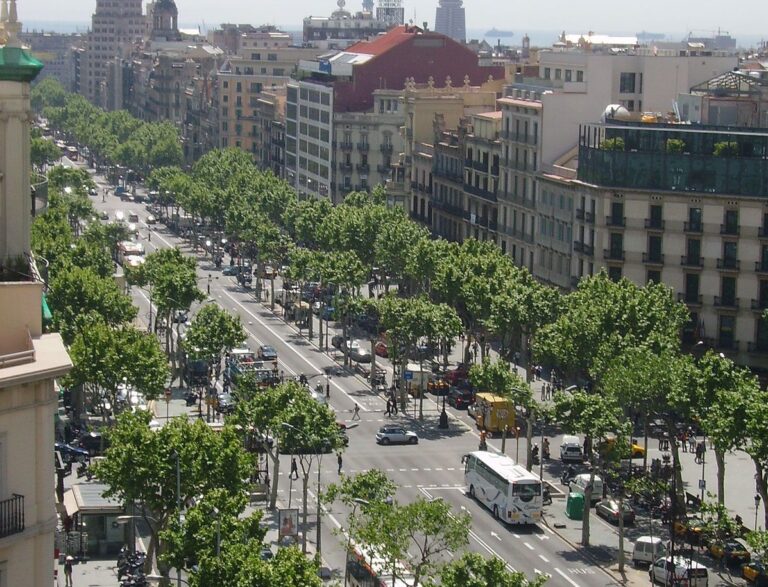
Figure 3.A typical example of Barcelona’s street structure
Reference list
Brownrigg-Gleeson, M.L., Monzon, A. and Cortez, A. (2023). Reasons to Pedestrianise Urban Centres: Impact Analysis on Mobility Habits, Liveability and Economic Activities. Sustainability, [online] 15(23), p.16472. doi:https://doi.org/10.3390/su152316472.
Pérez, K., Palència, L., López, M.J., León-Gómez, B.B., Puig-Ribera, A., Gómez-Gutiérrez, A., Nieuwenhuijsen, M., Carrasco-Turigas, G. and Borrell, C. (2025). Environmental and health effects of the Barcelona superblocks. BMC Public Health, 25(1). doi:https://doi.org/10.1186/s12889-025-21835-z.
Stavroulaki, I. and Berghauser Pont, M. (2020) A systematic review of multifunctional streets: Final research report. Gothenburg: Chalmers University of Technology. Available at: https://research.chalmers.se/publication/520627/file/520627_Fulltext.pdf
Image source
https://www.unaelenaerrante.it/2025/11/19/cosa-vedere-ho-chi-minh/?utm_source=Pinterest&utm_medium=organic
https://www.thecommonwanderer.com/blog/things-to-do-ho-chi-minh-city?utm_source=Pinterest&utm_medium=organic
https://es.wikipedia.org/wiki/Paseo_de_Gracia
