

Reflective summary
Personal Reflection
Studying abroad has been exciting and challenging to me over the last few months. The learning environment and the teaching techniques here were quite different from what I was used to. So I had to adjust to a new teaching speed and study environment. There is a big challenge for me to write blogs, as the TCP8090 course required me to document my reflections and thoughts. At first, I was very confused. In my case, blogging required me to generate new material all the time, and I found the selection of the topics and finding the information extremely time-consuming. It was also difficult to communicate in English and I had to edit my sentences numerous times to make sure that I can express my ideas in a proper manner. Initially I used to write to complete the assignment, but at some point I started to reflect on the areas. I knew how to structure my thoughts and to observe the urban environment closely. Writing a blog is like looking in a mirror: it helped me reflect on my shortcomings and encouraged me to continue asking questions, like why urban resources get allocated in certain ways. And this enabled me to start thinking more critically.
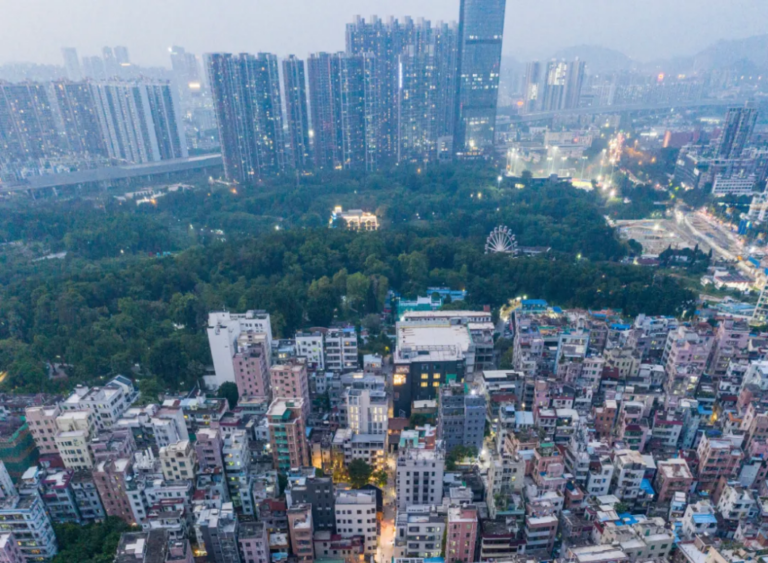
Figure 1. Inequality in urban environments
My Blogs and Reflections of Spatial justice
My understanding of the concept of spatial justice improved when writing these two blogs. And I discovered that this concept is related to the real world, not as a scholarly concept. In my first blog, I also observed that urban space is often distributed unevenly. Some commercial developments have taken the space that was initially in communities and there are not enough community facilities. This prompted me to understand that the urban design entails principles of equality and cultural values. Dong et al. (2024) note that planning should focus on the provision of vulnerable populations with quality green spaces to decrease the health gap.
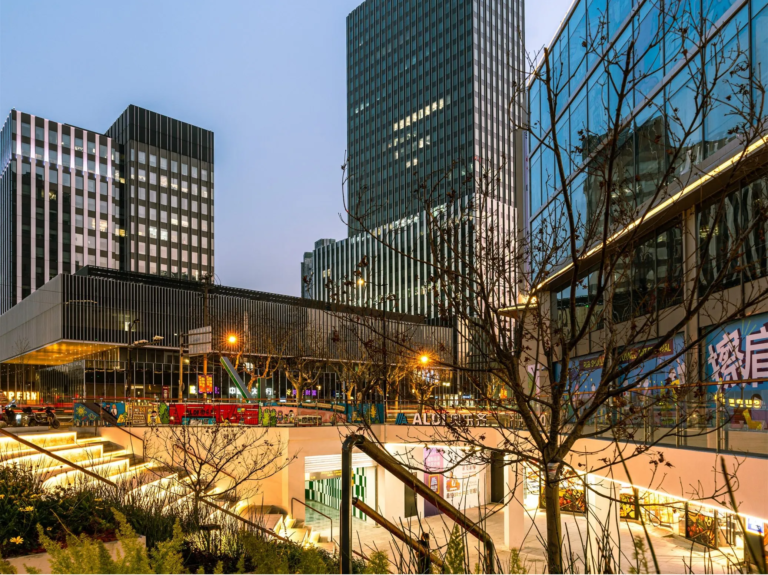
Figure 2. Street-level view of Shanghai Tianshan Road urban renewal project
Rodrigues et al. (2025) indicate that the development of tourism based on the cultural values can increase the sustainability of local economies. This made me consider that how to balance the commercial interests and cultural preservation when redeveloping historic neighborhoods. In my blog, I discussed the possibility of mixed uses of the public space, like serving as a market in the daytime and community events in the night. This could ease the tension between the interests of commerce and community life.
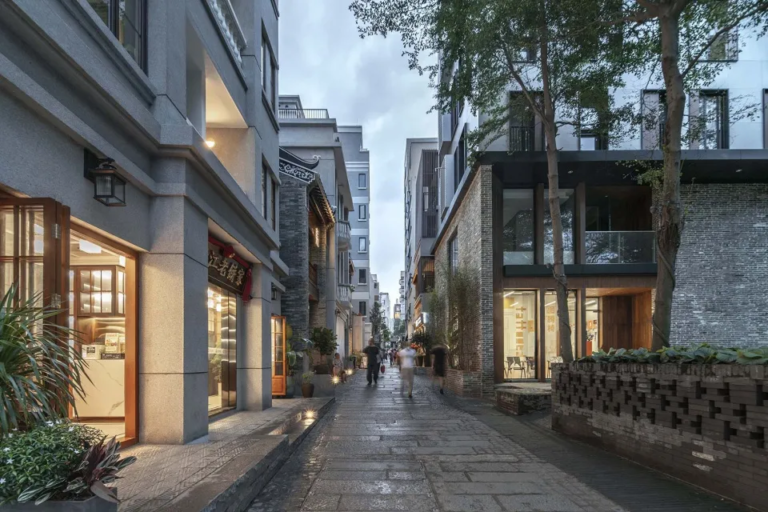
Figure 3. Shenzhen, China: Urban Regeneration of Nantou Ancient City
In this process of writing, I have understood the importance of the authenticity of urban spaces for residents’ sense of identity. According to Rodrigues et al. (2025), conserving the essence of a neighbourhood can enhance people’s sense of belonging and help preserve cultural heritage. Such writing exercises allowed me to realize that urban planning and design are not only aesthetic preferences, but also the choice related to justice and culture. I also gained deeper understanding of spatial justice.
Conclusion
This learning period has broadened my horizons, improved my research skills, and strengthened my understanding of professional roles. To put it simply, I now understand how design links closely with community fairness and public health matters. I’ve found some topics that I need to explore more in future studies. In the future, I will keep learning and developing skills through practical experience constantly.
Reference list
Dong, T., Zhong, Q. and Yue, B. (2024). How Green Space Justice in urban built-up areas affects public mental health: a moderated chain mediation model. Frontiers in Public Health, 12. doi:https://doi.org/10.3389/fpubh.2024.1442182.
Rodrigues, R., Heitor, J.C., Pimentel, H. and Lopes, T. (2025). Relationship Between Preservation of Built Cultural Heritage and Economic Development in Lisbon and Porto: Cultural Legacy and Urban Revitalization as Serial Mediation Mechanisms. Societies, [online] 15(5), p.124. doi:https://doi.org/10.3390/soc15050124.
