

Rethinking Tehran: Can Decentralization Create Fairer Cities in Iran?
Why Are So Many People Moving to Tehran?
The capital city of Tehran has been acting as the political, economic, and administrative hub of the country for many decades. The capital city houses all the big companies and corporations, and this has resulted in people from other parts of the country migrating to the capital city in search of better employment opportunities and education. Unfortunately, this scenario has resulted in urban disparities in the country (Combes et al., 2018).
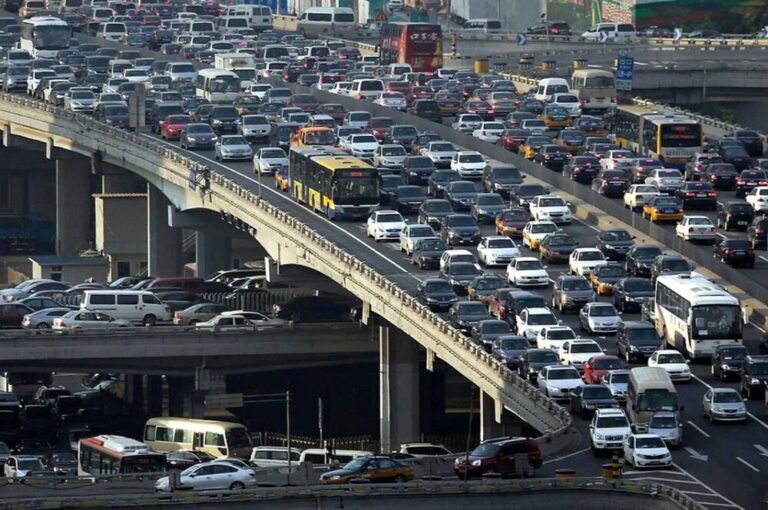
In the current times, problems faced by the capital city of Tehran include traffic, pollution, lack of housing, and uneven distribution of facilities within the urban centers (Kazemi et al., 2024; Rad et al., 2024). On the contrary, the other cities of Iran are facing problems related to unemployment, underdeveloped infrastructures, and lack of basic facilities (Kemeny et al., 2022; Pieterse & Owens, 2018).
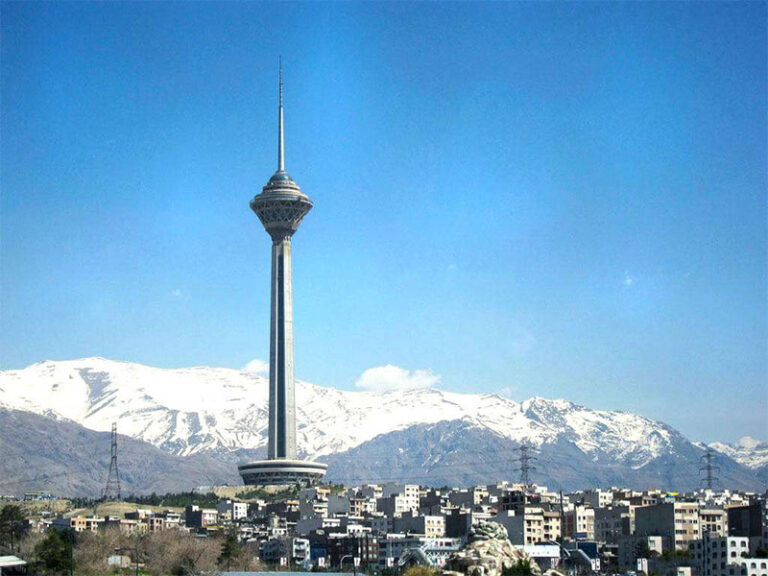
Figure 1. Tourist attractions in Tehran. Source: Iran Doostan Tours
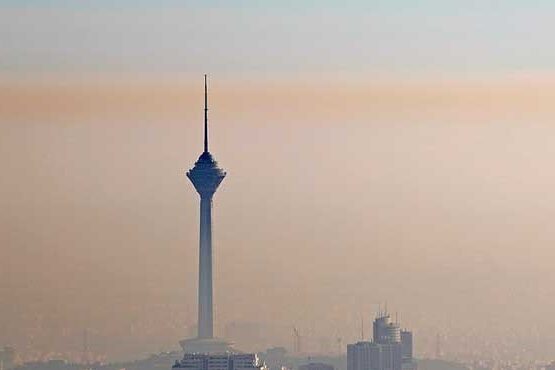
Figure 2. Air pollution in Tehran. Source: Tehran Times
The Problem with Urban Concentration
Inequality in access to economic and administrative resources in Tehran has led to an uneven development of the city compared to other cities. As explained by Harvey (1973), “unequal distribution of public utilities reinforces spatial and social injustices”.
Environmental degradation has also been exacerbated. Overcrowding, industries, and far commutes have made the quality of life in the urban areas worse (Bullard, 1990; McMichael, 2017).
These factors show the dire need for more sustainable urban development policy frameworks (United Nations, 2019).
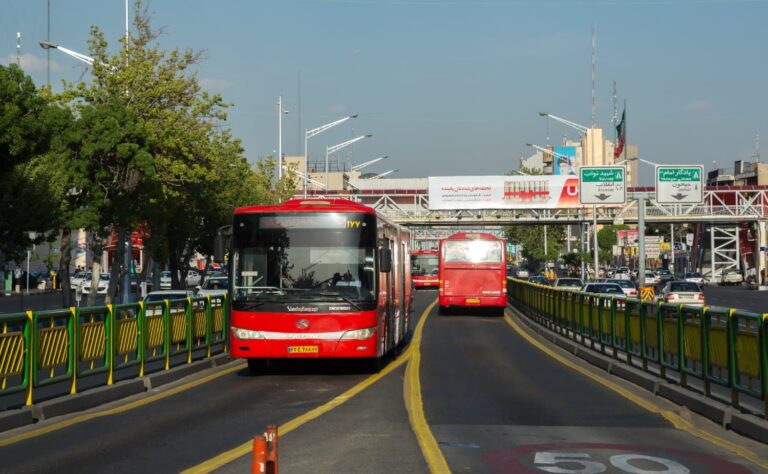
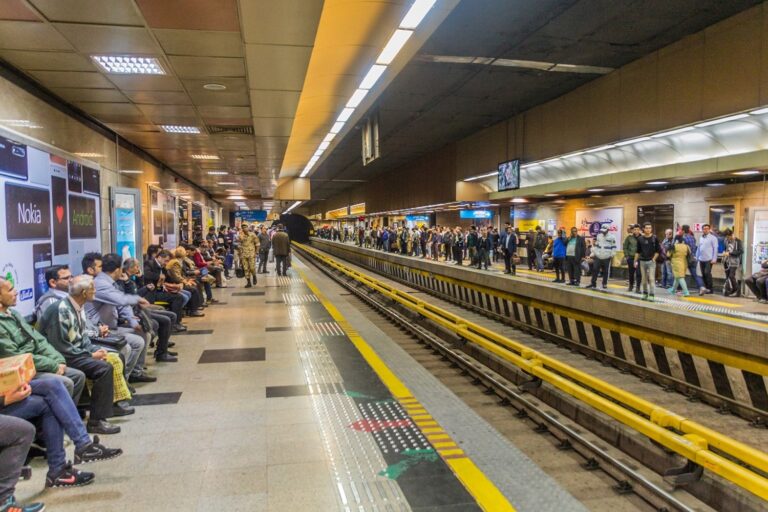
Figure 3 & 4. Public transportation system in Tehran. Source: OrientTrips
A New Approach: Decentralization
This research examines decentralization as an approach that will enhance social equality, environmental quality, and economic growth within regions. This research project is based on the gradual transfer of certain government institutions and economic activities from Tehran to other cities in Iran.
Key approaches are:
- Transfer of selected government agencies
- Providing subsidized public transportation during relocation can reduce commuting stress and improve mobility (City of Vancouver, 2020).
- Investment in transportation, offices, and housing infrastructure (Alarabi et al., 2023).
- Financial and housing inducements for the relocation process (KDI, 2019).
- Studies conducted in Germany and Brazil demonstrate how moving government institutions can boost labor markets and improve service sector activities in small cities (Becker et al., 2021; Faggio et al., 2022).
Toward a More Balanced Urban Future
The process of decentralization might help ease traffic and pollution issues in Tehran and boost job creation and economic growth in other cities. Despite obstacles that may arise, the fair distribution of institutions and resources could benefit the country in terms of a sustainable and balanced development of its cities (OECD, 2019).
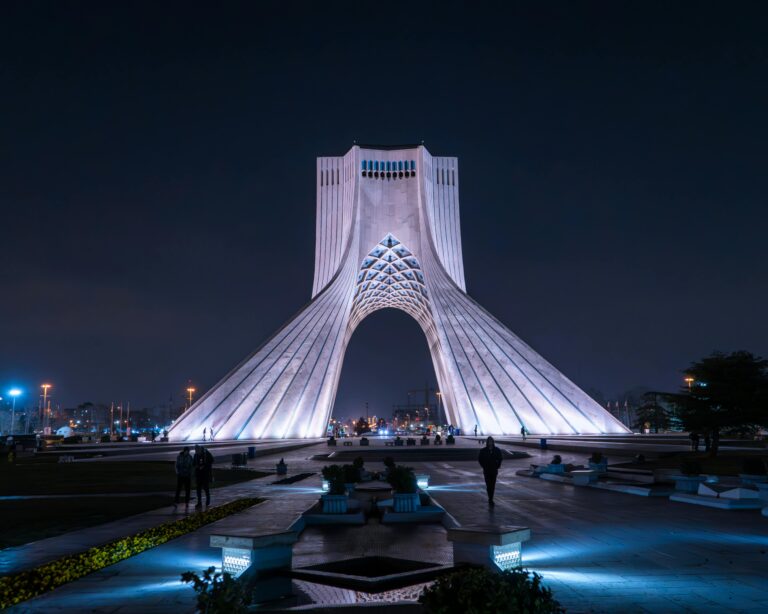
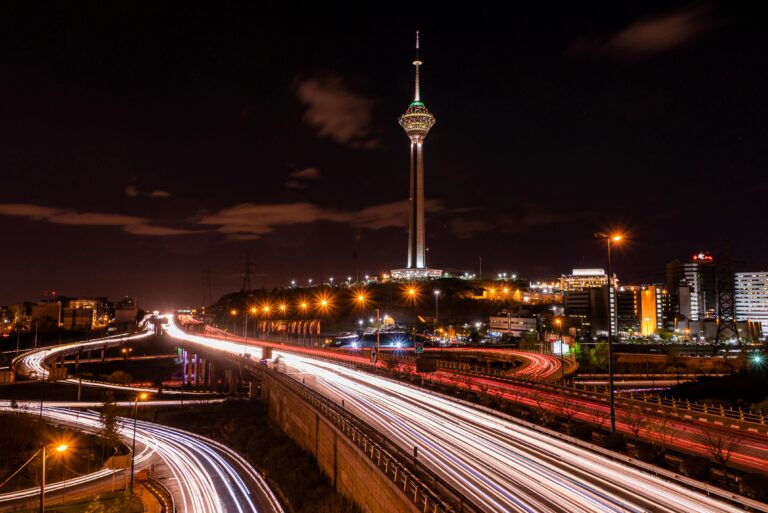
Figure 6&7. Urban landscape and daily life in Tehran. Source: Inspiring Vacations
References
Alarabi, K. et al. (2023) Urban infrastructure modernization and economic activity in smaller cities. MDPI.
Becker, S. et al. (2021) Public employment relocation and regional economic disparities. NBER.
Bullard, R.D. (1990) Dumping in Dixie: Race, Class, and Environmental Quality. Boulder: Westview Press.
City of Vancouver (2020) Employer Transit Subsidy Study Findings.
Combes, P.P., Duranton, G. and Gobillon, L. (2018) ‘City size, migration and urban inequality in China’, ScienceDirect, p.1.
Faggio, G., Schluter, C. et al. (2022) Public employment relocation and regional economic disparities. NBER.
Harvey, D. (1973) Social Justice and the City. London: Edward Arnold.
Kazemi, Z. et al. (2024) ‘Hidden health effects and economic burden of stroke and coronary heart disease attributed to ambient air pollution in Tehran, Iran’, Ecotoxicology and Environmental Safety, 286, p.117158.
KDI (2019) Housing incentives and regional relocation policies in South Korea.
Kemeny, T. et al. (2022) Regional inequality and urban economic concentration. Journal/Publisher.
McMichael, A.J. (2017) Climate Change and the Health of Nations. Oxford: Oxford University Press.
OECD (2019) Making Decentralisation Work: A Handbook for Policy Makers. Paris: OECD Publishing.
Pieterse, E. and Owens, A. (2018) Urban inequality and regional development in emerging economies. Journal/Publisher.
Rad, A.K. et al. (2024) ‘Machine learning models for predicting interactions between air pollutants in Tehran Megacity, Iran’, Alexandria Engineering Journal, 104, pp.464–479.
United Nations (2019) Urbanization: Expanding Opportunities, Deeper Divides. UN DESA.
Iran Doostan Tours (2020) Things to do in Tehran: 10 places to visit in Tehran + Photos. Available at: https://irandoostan.com/tehran-tourist-attractions/
Tehran Times article (2019) Tehran’s air pollution mitigation needs $4 billion. Available at: https://www.tehrantimes.com/news/442665/Tehran-s-air-pollution-mitigation-needs-4-billion
OrientTrips (2024) A guide to Tehran’s public transport and taxis. Available at: https://orienttrips.com/mag/tehrans-public-transport/
Inspiring Vacations (n.d.) Snapshot: Tehran. Available at: https://www.inspiringvacations.com/ca/blog/destinations/snapshot-tehran
Cover image used for the blog. Source: Stony Brook University (n.d.) Tehran. Available at: https://www.stonybrook.edu/commcms/nacil/Iran/tehran.php
